Guide · Culture
The Kofun period: Japan's age of giant tombs
Roughly AD 250 to 592. Keyhole-shaped tombs spread across Japan, and the largest is 486 m long. UNESCO listed 49 near Osaka in 2019.
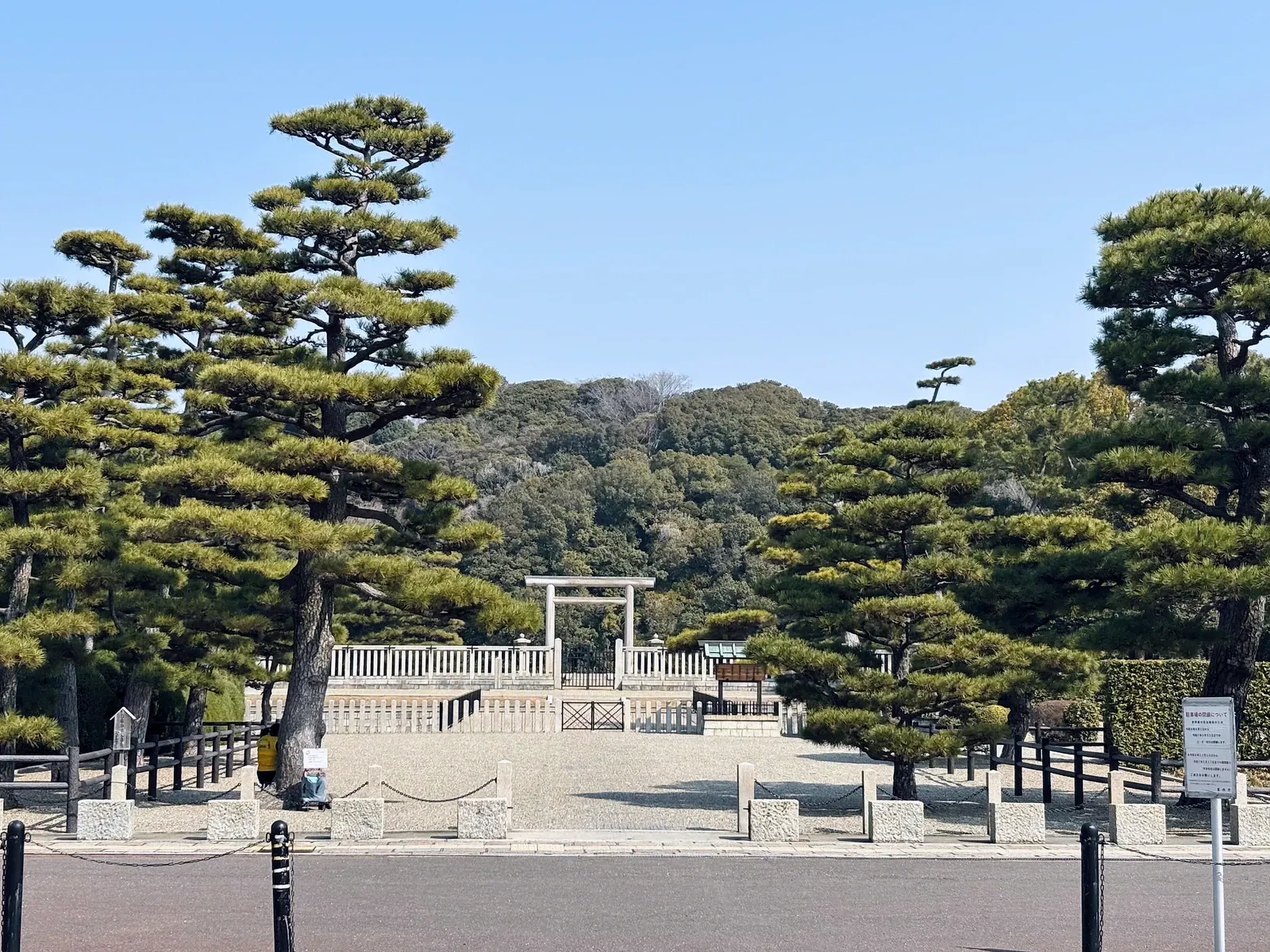
Daisen Kofun, Japan’s largest tomb, is 486 m long, and you view it from outside: the Imperial Household Agency manages it as a tomb and the mound cannot be entered. The Kofun period, roughly AD 250 or 300 to 538 or 592, is named for the giant tomb mounds that elite families built across Japan.
This page follows the period’s turning points, then lists the places to visit. It follows the Jomon and Yayoi periods and leads into the Asuka and Nara periods.
When was the Kofun period?
Roughly AD 250 or 300 to 538 or 592. Sources date both ends differently, so read the years as approximate. The tombs themselves belong mainly to the 3rd to 6th centuries.
| When | What happened |
|---|---|
| From 3rd century | Keyhole-shaped tombs spread across Japan as a shared elite burial form until the 6th century |
| Late 4th century | The Mozu and Furuichi tomb groups near Osaka are built over the next century (dating sources differ) |
| 2018 | A joint dig at Daisen Kofun, on the moat embankment |
| 2019 | UNESCO inscribes the Mozu-Furuichi Kofun Group |
What are the keyhole tombs?
They are giant keyhole-shaped tombs that spread across Japan as a shared way for elites to be buried. UNESCO and ICOMOS wording describes them as a burial form of the 3rd to 6th centuries.
The Mozu and Furuichi groups, in Osaka, were built from the late 4th to the late 5th century and show the power of the Yamato rulers. Dating sources differ. UNESCO inscribed the Mozu-Furuichi Kofun Group, 49 tombs, on 6 July 2019, the first World Heritage site in Osaka Prefecture.
What is Daisen Kofun?
Japan’s largest tomb, 486 m long. It is officially designated as the tomb of Emperor Nintoku, a traditional attribution that has not been proven.
From outside it looks like a forested hill with a moat, and the mound is not open to visitors.
Has anyone dug inside Daisen?
No dig inside the mound has been reported.
Wait, really? The Imperial Household Agency allowed its first joint dig with a municipality, Sakai City, only in October to December 2018. Trenches on the moat embankment found that the ground around the mound was paved with stones, per news reports. The work stayed on the embankment.
What changed for ordinary people?
Most people farmed and lived in pit or raised-floor houses, while building the tombs took large labour forces. Clay haniwa figures ringed the mounds. The tombs and their finds are the evidence; no direct record of commoners from the period is cited.
See it today
Sakai, in Osaka Prefecture, is the place for the Kofun: walk the outside of Daisen and the Mozu group, then see the objects at Sakai City Museum, near Daisen. In Tokyo, the Tokyo National Museum’s Honkan has haniwa and bronze mirrors.
| Place | City | What you see | Fee | Hours |
|---|---|---|---|---|
| Daisen Kofun | Sakai | A forested hill with a moat; the mound cannot be entered | Not found | Open-air; not found |
| Mozu Visitor Center | Sakai | The Mozu Kofun Cluster Visitor Center | Not found | Not found |
| Sakai City Museum | Sakai | Kofun exhibits, near Daisen | $1 (¥200) adult; $1 (¥100) university and high school; under $1 (¥50) junior high and elementary | 09:30 to 17:15, last entry 16:30 |
| Tokyo National Museum | Tokyo | Haniwa and bronze mirrors in the Honkan | Not found | 09:30 to 17:00, last entry 30 minutes before |
Dollar figures use about ¥155 to US$1 and are rounded; you pay in yen, so check the rate.
The Sakai City Museum closes on Mondays (it opens if Monday is a holiday) and at year-end and New Year. Its fees are for permanent exhibits, per Sakai City information; special exhibits differ.
Where next?
- Earlier: Jomon and Yayoi. Later: Asuka and Nara, where Buddhism arrives.
- The history guide places every era on one timeline.
- Nara, Osaka, Koyasan and Ise temples and shrines covers Sumiyoshi Taisha in Osaka and the Nara temples that follow this era.
- The temples and shrines guide lists the main sites with fees and hours.
- The Culture hub holds every culture topic, and the culture guide gives the overview.
Questions
Roughly AD 250 or 300 to 538 or 592. It is the age of the giant tomb mounds built for Japan's elite, and the Yamato rulers' power is reflected in the largest ones. The Asuka period follows.
It is 486 m long, the largest tomb in Japan. It is officially designated as the tomb of Emperor Nintoku, but that identification is not proven.
No. The Imperial Household Agency manages it as a tomb and the mound cannot be entered. In 2018 the Agency allowed its first joint dig with a city, on the moat embankment only.
The Mozu-Furuichi Kofun Group, 49 tombs near Osaka, was inscribed on 6 July 2019. It was the first World Heritage site in Osaka Prefecture.
At Sakai City Museum, near Daisen, where permanent exhibits cost adults $1 (¥200), and in the Tokyo National Museum's Honkan, which has haniwa and bronze mirrors. The Honkan's adult fee was not found.