
Guide · Culture
30 temples and shrines in Japan: fees, hours and how to choose
Fees, hours and notes for 30 temples and shrines from Kyushu to Tohoku, with a picker by time, interest and season, plus rules, goshuin and temple stays.
Shrines are Shinto and temples are Buddhist: at a shrine you bow twice, clap twice and bow once, and at a temple you pray quietly and do not clap. This guide compares 30 well-known temples and shrines, from Senso-ji in Tokyo to Zuiganji in Matsushima, so you can pick the ones that fit your time, interests and season.
Fees and hours come from each site’s official page; where a page gives no figure, the cell says not found.
Dollar figures use about ¥155 to US$1 and are rounded; you pay in yen, so check the rate.
How do you choose which to visit?
Decide by time first, then by interest, then by season. The picker covers time and interest, and the season notes follow.
| Pick by | Choose | Why |
|---|---|---|
| Quick visit | Zuiganji, Kotoku-in | Zuiganji's page puts a visit at 30 to 40 minutes; Kotoku-in's Great Buddha stands outdoors |
| Longer visit | Yamadera, Kotohira-gu, Fushimi Inari | 1,015 steps (about 1 hour 30 minutes round trip), 785 steps to the main sanctuary, torii up Mt Inari |
| Overnight | Koyasan | Temple lodging with vegetarian meals and a morning service |
| Free entry | Meiji Jingu | Free per its official page; Fushimi Inari and Izumo Taisha grounds are reported free (secondary) |
| Great Buddhas | Todai-ji, Kotoku-in, Sanjusangen-do | A Great Buddha hall, an outdoor bronze Buddha, 1,001 Kannon statues |
| Gold and carving | Kinkaku-ji, Chusonji, Toshogu | Gold Pavilion, Konjikido gold hall, lavish carved shrine |
| Zen gardens | Ginkaku-ji, Engakuji, Zuiganji | Moss garden, Kamakura Five Mountains temple, National Treasure Zen temple |
| Oldest and sacred | Ise Jingu, Izumo Taisha, Horyu-ji | Japan's most sacred shrine complex, records from the 8th century, UNESCO wooden temple |
| Prayer themes | Dazaifu, Izumo Taisha, Kotohira-gu | Learning, bonds between people, seafarers |
These notes use dated events and hours, because no official page states a best season.
- Winter 2026-27: Days end early. Meiji Jingu closes at 16:00 in December, Nikko Toshogu at 16:00 from November, Zenkoji at 16:00 from December to February, Zuiganji at 15:30 in December and January, and Yamadera at 15:00 from December to March (its page also says 16:00). Yamadera stays open in winter but may close early in bad weather.
- Autumn: To-ji’s illumination runs 31 October to 13 December 2026 at $6 (¥1,000). Kiyomizu-dera’s night viewing runs 21 to 30 November 2026 until 21:30. Ginkaku-ji starts autumn-limited goshuin on 1 November 2026. Dazaifu holds its exam-prayer festival from 1 to 31 October.
- Spring: Kiyomizu-dera’s night viewing ran 27 March to 5 April in 2026, and 2027 dates are not found. Itsukushima holds Tokasai on 16 to 18 April each year. Zenkoji’s Gokaicho is reported for 4 April to 19 June 2027. Dazaifu’s plum season was last known as late February to late March.
- Summer: Yasaka Shrine’s Gion Matsuri procession, Mikoshi-Togyo, runs 17 to 24 July. Kiyomizu-dera’s night viewing ran 14 to 16 August in 2026.
- New Year: Sumiyoshi Taisha draws about 2 million visitors for hatsumode, the first visit of the year, and closes its parking from 31 December to 3 January. Meiji Jingu has not announced New Year hours. Kasuga Taisha’s main-sanctuary visit is closed 20 December to 7 January, and Zenkoji closes at 13:00 on 31 December. See Hatsumode and New Year and New Year closures.
Master table: 30 temples and shrines by region
Use the table to compare fees, hours and notes at a glance. Fees are adult prices. “Last known” means the official page carries no dated 2026-27 notice, so check it before you go. “Secondary” means the figure is not on the official page.
Tokyo, Kamakura and Nikko
| Site | City | Type | Fee | Hours | Notes |
|---|---|---|---|---|---|
| Senso-ji | Tokyo | Temple | not found | Main hall 06:00 to 17:00; Oct to Mar from 06:30 | Kaminarimon gate and five-story pagoda |
| Meiji Jingu | Tokyo | Shrine | Free | Sunrise to sunset; Dec 06:40 to 16:00 | Open daily; Inner Garden fee not found |
| Toshogu | Nikko | Shrine | Shrine only $10 (¥1,600); with Treasure Hall $15 (¥2,400); last known | Apr to Oct 09:00 to 17:00; Nov to Mar to 16:00 | Tokugawa Ieyasu mausoleum; last ticket 30 minutes before close |
| Rinnoji | Nikko | Temple | Sanbutsudo $3 (¥400); Rinnoji set $6 (¥900); last known | Apr to Oct 08:00 to 17:00; Nov to Mar to 16:00 | Combined temple-shrine pass sales suspended |
| Kotoku-in | Kamakura | Temple | $2 (¥300) | Apr to Sep 08:00 to 17:30; Oct to Mar to 17:00 | Outdoor bronze Great Buddha; interior costs extra |
| Hasedera | Kamakura | Temple | $3 (¥400) | Apr to Jun 08:00 to 17:30; Jul to Mar to 17:00 | Eleven-headed Kannon; hillside views |
| Engakuji | Kamakura | Temple | $3 (¥500) | 08:30 to 16:30; Dec to Feb last entry 16:00 | Zen temple of the Kamakura Five Mountains |
| Tsurugaoka Hachimangu | Kamakura | Shrine | not found | not found | Official site did not load |
Kyoto
| Site | City | Type | Fee | Hours | Notes |
|---|---|---|---|---|---|
| Kiyomizu-dera | Higashiyama | Temple | not found; last known $3 (¥500) | Opens 06:00; closing hour not found | Night viewing 21 to 30 Nov 2026, to 21:30 |
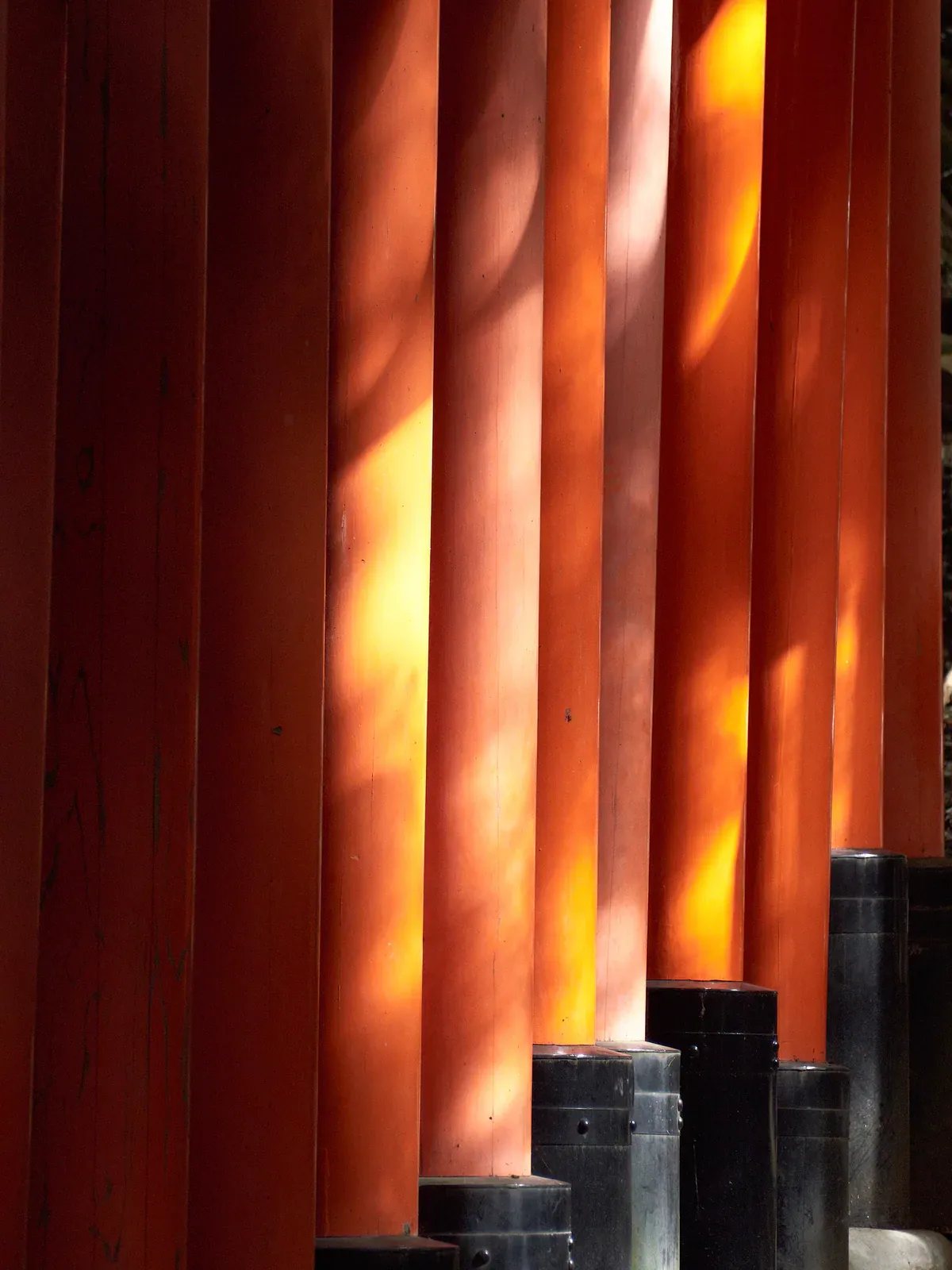
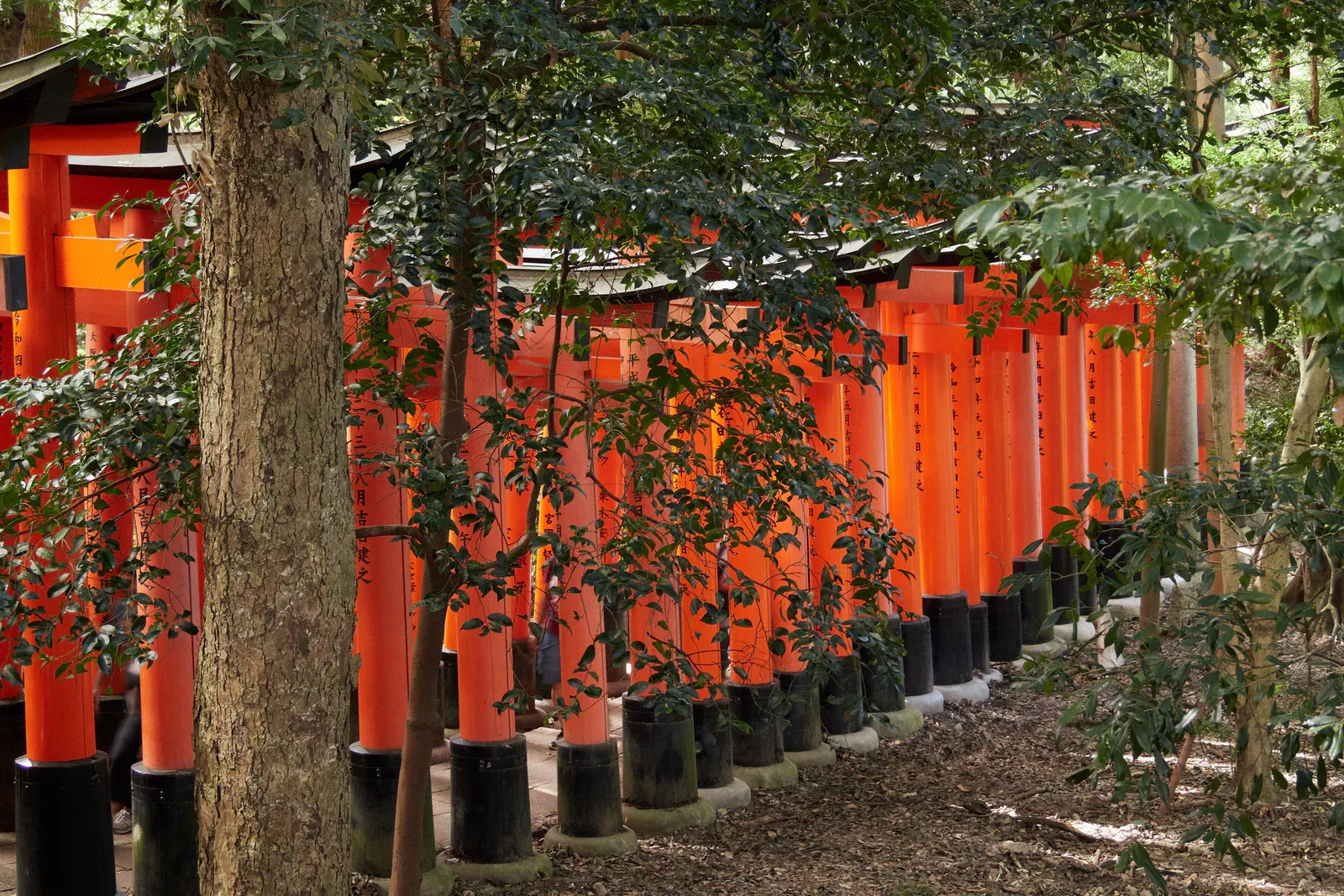
| Fushimi Inari | Fushimi | Shrine | Free (secondary) | Open 24 hours (secondary) | Thousands of vermilion torii up Mt Inari |
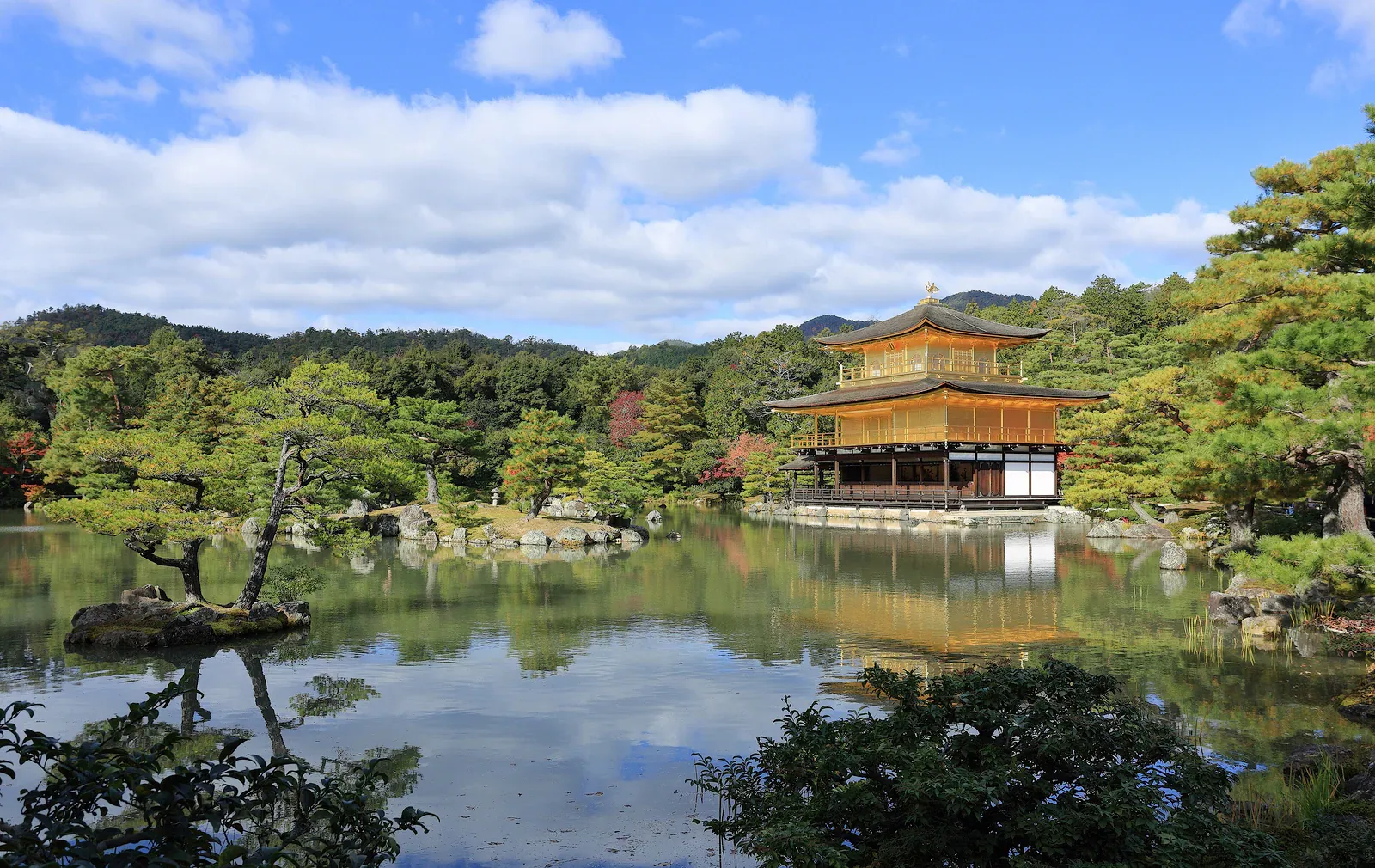
| Kinkaku-ji | Kita | Temple | Visit offering, amount not found; last known $3 (¥500) | 09:00 to 17:00 | Gold Pavilion; publishing photos is prohibited |
| Ginkaku-ji | Sakyo | Temple | not found | Mar to Nov 08:30 to 17:00; Dec to Feb 09:00 to 16:30 | Silver Pavilion and moss garden |
| To-ji | Minami | Temple | Kondo and Kodo $5 (¥800); with Kanchi-in $8 (¥1,200); 2026 | Gate 05:00 to 17:00; Kondo and Kodo 08:00 to 17:00 | Over 20,000 designated cultural properties; 2027 fees not published |
| Sanjusangen-do | Higashiyama | Temple | $4 (¥600) | 1 Apr to 15 Nov 08:30 to 17:00; winter 09:00 to 16:00, last known | 1,001 Kannon statues; fee and hours via search summary |
| Yasaka Shrine | Gion | Shrine | not found | Office 09:00 to 17:00; grounds not found | Gion Matsuri shrine; 31 Dec 2026 unclear |
Nara, Osaka, Koyasan, Ise and Nagoya
| Site | City | Type | Fee | Hours | Notes |
|---|---|---|---|---|---|
| Todai-ji | Nara | Temple | Hall $5 (¥800); hall and museum $8 (¥1,200) | Apr to Oct 07:30 to 17:30; Nov to Mar 08:00 to 17:00 | Great Buddha hall; Shigatsudo, closed for earthquake-resistance work, reopens 17 Jan 2027 |
| Kasuga Taisha | Nara | Shrine | Grounds not found; main-sanctuary visit $5 (¥700) | Gate 06:30 to 17:30 | Lantern-lined; that visit closed 20 Dec to 7 Jan |
| Horyu-ji | Ikaruga | Temple | $13 (¥2,000); cash only | 22 Feb to 3 Nov 08:00 to 17:00; 4 Nov to 21 Feb to 16:30 | UNESCO wooden temple; ticket covers three precincts |
| Sumiyoshi Taisha | Osaka | Shrine | not found | Main hall 06:00 to 17:00; Oct to Mar from 06:30 | Sea deities and Sorihashi bridge; no regular closing days |
| Koyasan | Koya | Temple | not found | Okunoin Torodo 06:00 to 17:00; grounds not found | Kukai's mountain, Okunoin cemetery, temple stays |
| Ise Jingu | Ise | Shrine | not found | Oct to Dec 05:00 to 17:00; Jan to Apr and Sep 05:00 to 18:00; May to Aug 05:00 to 19:00 | Naiku and Geku; no photos at the praying area |
| Atsuta Jingu | Nagoya | Shrine | Grounds not found; treasure hall $3 (¥500), last known | Treasure hall 09:00 to 16:30; grounds not found | Kusanagi sword shrine; treasure hall closed 25 to 31 Dec |
Western Japan
| Site | City | Type | Fee | Hours | Notes |
|---|---|---|---|---|---|
| Itsukushima | Miyajima | Shrine | $2 (¥300); with Treasure Hall $3 (¥500) | 1 Mar to 14 Oct 06:30 to 18:00; from 15 Oct to 17:30; Dec to 17:00 | Floating shrine and O-torii; no entry after dark |
| Izumo Taisha | Izumo | Shrine | Grounds free, Treasure Hall $2 (¥300), both secondary | Treasure Hall 08:30 to 16:30 (secondary); grounds not found | Shrine of bonds between people; Honden rebuilt 1744 |
| Kotohira-gu | Kotohira | Shrine | No fee listed for grounds and steps | Main gate 06:00 to 18:00; Gohonmiya 07:00 to 17:00 | Seafarers' shrine; 785 steps to Gohonmiya, 1,368 to Okusha |
| Dazaifu Tenmangu | Dazaifu | Shrine | not found | Opens 06:30 from autumn equinox, 06:00 from spring; closes 18:30 Dec to Mar | Shrine of Sugawara Michizane, deity of learning |
North and central Japan
| Site | City | Type | Fee | Hours | Notes |
|---|---|---|---|---|---|
| Zenkoji | Nagano | Temple | Inner hall and Okaidan meguri $5 (¥800) | Inner hall closes 16:30 Apr to Oct, 16:00 Dec to Feb; Sanmon and Kyozo 09:00 to 16:00 | Hidden main image; closes 13:00 on 31 Dec |
| Chusonji | Hiraizumi | Temple | $6 (¥1,000), last known | 1 Mar to 3 Nov 08:30 to 17:00; 4 Nov to Feb to 16:30 | Konjikido gold hall, UNESCO; open year-round |
| Yamadera | Yamagata | Temple | $3 (¥500); cash only | Apr to Sep 08:00 to 16:00; Oct to Nov to 15:30; Dec to Mar 08:30 to 15:00 | 1,015 stone steps; Dec to Mar close given as 15:00 and 16:00 |
| Zuiganji | Matsushima | Temple | $6 (¥1,000) | Opens 08:30; closes 15:30 Dec and Jan, 17:00 Apr to Sep | National Treasure Zen temple; up from $5 (¥700) on 1 Apr 2026 |
To verify Closed days are not found for Kotoku-in, Hasedera, Engakuji, Kiyomizu-dera, Kinkaku-ji, Ginkaku-ji, Ise Jingu and Dazaifu Tenmangu. Photo rules are unread for many sites. Read the official page or call the office before a long trip.
What should you know in each region?
Each regional guide covers its sites in depth; the short version follows.
Tokyo, Kamakura and Nikko. Tokyo’s two anchors are Senso-ji, whose main hall opens at 06:00 (06:30 from October to March), and Meiji Jingu, which is free and open from sunrise to sunset: 06:40 to 16:00 in December and 06:40 to 16:20 in January. Kamakura’s three listed temples cost $2 to $3 (¥300 to ¥500) each. Nikko charges by building: Toshogu is $10 (¥1,600) for the shrine only, last known, and Rinnoji’s three-site set is $6 (¥1,000), sold at the window or as an e-ticket only. Nikko hours drop from 17:00 to 16:00 in November. See Tokyo, Kamakura and Nikko.
Kyoto. Kyoto holds seven of the 30 sites, and To-ji is the one with a full 2026 price list: hall tickets are $5 (¥800), and its autumn specials add the Treasure Hall and pagoda, with combined tickets at $10 (¥1,500) from 20 September to 30 October and $13 (¥2,000) from 31 October to 25 November. Kinkaku-ji’s page names a “visit offering” with no amount, and Sanjusangen-do’s fee comes through a search summary. Kiyomizu-dera opens at 06:00. Sanjusangen-do was free all day on 18 January 2026. Ginkaku-ji opens its Togudo, Hojo and Roseitei only during spring and autumn special openings. Fushimi Inari’s rules ban drones and commercial photography. See Kyoto temples and shrines.
Nara, Osaka, Koyasan and Ise. Todai-ji’s hall costs $5 (¥800), and its Shigatsudo hall, closed for earthquake-resistance work since 7 May 2025, reopens on 17 January 2027. Kasuga Taisha’s main-sanctuary visit is closed from 20 December to 7 January. Horyu-ji costs $13 (¥2,000), cash only, and the ticket covers three precincts. Kasuga’s Man’yo Botanical Garden costs $5 (¥700) and is closed on Tuesdays from June to March. Sumiyoshi Taisha in Osaka has no regular closing days. Koyasan is the overnight stop: Okunoin’s Torodo hall extends its hours on 1 January and on lantern evenings, and the Mandoe-e lantern ceremony runs 1 to 3 October every year. Ise Jingu’s page advises visiting Geku before Naiku. Atsuta Jingu in Nagoya appears through its treasure hall, $3 (¥500) and last known. See Nara, Osaka, Koyasan and Ise.
Western Japan. Itsukushima costs $2 (¥300), or $3 (¥500) with its Treasure Hall; its hours shorten to 17:30 from 15 October and to 17:00 in December. The O-torii is lit until 23:00, but there is no entry after dark. Izumo Taisha is the shrine of Okuninushi and of en-musubi, bonds between people. Kotohira-gu has 785 steps to Gohonmiya and 1,368 to Okusha, and a prayer there costs $32 (¥5,000). Kotohira-gu’s Omote Shoin is closed on Tuesdays, and its procession to Gohonmiya at the cherry and autumn festivals has been discontinued. Dazaifu Tenmangu draws more than 10 million visitors a year and holds its exam-prayer festival from 1 to 31 October, with the main day on 18 October. See Itsukushima, Izumo, Kotohira and Dazaifu.
North and central Japan. Zenkoji in Nagano holds its morning service, O-Asaji, daily at sunrise, and priests touch visitors’ heads with prayer beads four times each morning; anyone may receive it. Chusonji is open all year, and its standard ticket, $6 (¥1,000) and last known, covers the Konjikido gold hall. Yamadera stays open from December to March with shorter hours, and its climb of 1,015 stone steps takes about 1 hour 30 minutes round trip in ordinary clothes and shoes. Zuiganji raised its fee on 1 April 2026. See Tohoku and Nagano.
Do you need to book?
You can walk in at most of the 30 sites. Booking applies to lodging, prayer services and special openings.
- Temple stays: book Koyasan lodging through the Koyasan Shukubo Association’s site or by phone.
- Prayer services: Kotohira-gu takes prayer bookings online, and Okusha prayer is by reservation only. Sumiyoshi Taisha takes prayer at its reception. Dazaifu Tenmangu changed its prayer rules on 17 May 2026, and the details are not shown.
- Special openings: To-ji’s Treasure Hall opens only 20 March to 25 May and 20 September to 25 November.
- Tickets: Rinnoji’s three-site set is sold at the window or as an e-ticket only, and Zuiganji takes no general reservation.
- Cars: Kotohira-gu has no walk-in parking, and car visits can be reserved online.
What are the main rules?
Follow the posted sign first, then the shrine and temple basics below. For the full walk from gate to stamp desk, read Temple and shrine etiquette.
At a shrine, toss a coin in the offering box, bow twice deeply, clap twice, pray silently and bow once, per Jinja Honcho, the shrine association. It says there is no fixed offering amount, that photos of buildings and grounds are usually allowed but vary, and that you should not photograph people without permission. Dress has no strict code, and modest is recommended. At a temple, pray quietly and do not clap, per Aichi Prefecture’s visitor guide; no national official page on temple manners was found.
Some sites set their own rules:
- Fushimi Inari: no drones, commercial photography, photos on narrow paths that block worshippers, shouting or sitting on the ground, eating outside rest areas, litter or wedding dress.
- Kiyomizu-dera: no drones, tripods, monopods, weddings, cosplay or model shoots. Commercial filming and live streaming need permission.
- Kinkaku-ji: personal snapshots are allowed. Publishing photos, including on social media, group photos, streaming and drones are prohibited.
- Kotoku-in: personal photos are free, commercial use needs permission, and drones and selfie sticks inside the statue are banned.
- Todai-ji and Kasuga Taisha: smoking and drones are banned at Todai-ji, and pets, small drones and smoking at Kasuga.
- Ise Jingu: purify at the water basin, take no photos at the praying area, and do not eat, drink or smoke outside designated areas.
- Yamadera: drones are banned over the precincts and trails.
Kyoto sets litter fines of up to $195 (¥30,000) in its beautification areas.
Goshuin and temple stays: what to know
A goshuin is a stamp with brushed calligraphy, kept in a dedicated book as a record of a visit. Pray first, then go to the stamp desk. An embassy magazine gives a general range of $2 to $3 (¥300 to ¥500), and Todai-ji is the only site with an official fee: $2 (¥300) per goshuin.
Todai-ji issues them at the Daibutsuden during its hall hours and at Hokkedo and Kaidando from 08:30 to 16:00. Shigatsudo and Senjudo are not issuing. Its own books cost $16 (¥2,500) for the purple design, $13 (¥2,000) for the large floral and $10 (¥1,500) for the small floral. Ginkaku-ji writes in your book until 16:00, then hands out a pre-written sheet (kakioki), or sheets all day in busy periods. Kasuga Taisha issues goshuin from 09:00 until the gate closes, and Kinkaku-ji’s office is stop 19 on its route; neither states a fee. See Goshuin.
Koyasan is the one place on this list built around an overnight temple stay, called shukubo. The Koyasan Shukubo Association runs the booking site and a phone line. One temple’s example, Fugen-in’s two-meal plan, costs $90 to $140 (¥14,000 to ¥22,000) per adult with tax, excluding bath tax, and the lowest prices vary by date. Meals are vegetarian, the gate closes at 21:00, and the shared bath runs 16:00 to 22:00. Morning prayer is standard at 06:30, with photos allowed without flash at Fugen-in.
Other temples differ: Kodai-in charges children 70% or 80% of the adult rate and sets bath slots by gender. Treat both as examples, not association rules.
Before you book Check the check-in cut-off for each temple. At Fugen-in, arriving after 18:00 means no dinner and no refund, and cancelling costs 30% four days ahead, 50% two days ahead and 100% the day before.
On the mountain, wear modest clothes: no revealing tops, short skirts or shorts, and cover your shoulders, or you may be refused at Okunoin. Take your hat off at gates, bow with palms together, and purify at the water basin. Yukata are for indoors only. See Koyasan temple stay.
Where next?
Start from the Culture hub and the wider culture guide. Read Temple and shrine etiquette before your first visit and Koyasan temple stay before you book a lodging. For late December and early January, see Hatsumode and New Year and New Year closures.
Quick answers
What is the difference between a shrine and a temple in Japan?
Shrines are Shinto and temples are Buddhist. At a shrine you bow twice, clap twice and bow once, per Jinja Honcho. At a temple you pray quietly and do not clap, per Aichi Prefecture's visitor guide. A posted sign beats both.
Which temples and shrines are free to enter?
Meiji Jingu is free, per its official page. Fushimi Inari and Izumo Taisha's grounds are reported free by secondary sources, and Kotohira-gu lists no fee for its grounds and steps. The fee is not found for Senso-ji, Ise Jingu and Yasaka Shrine, so read the official page.
Do temples and shrines close early in winter?
Several do. Meiji Jingu closes at 16:00 in December, Nikko Toshogu at 16:00 from November, Zenkoji at 16:00 from December to February and Yamadera at 15:00 from December to March. At many sites the last entry is 30 minutes before closing.
Can you stay overnight at a temple in Japan?
Yes, at Koyasan, where temples run shukubo lodging. One temple's two-meal plan, Fugen-in, costs $90 to $140 (¥14,000 to ¥22,000) per adult, with vegetarian meals. Prices vary by date and by temple, so use the association's booking site.
How much does a goshuin stamp cost?
Usually $2 to $3 (¥300 to ¥500), per an embassy magazine. Todai-ji is the only site with an official fee: $2 (¥300) per goshuin. Fees at the other sites are not found.