Guide · Culture
Shrine and temple etiquette: gate, hall and shop
Shrines: bow twice, clap twice, bow once. Temples: do not clap (Aichi's guide). No fixed offering amount, and photo rules follow the sign.
At a shrine, bow twice, clap twice, pray, then bow once. At a temple, put a coin in the box, pray quietly and do not clap. Jinja Honcho, the shrine association, says there is no fixed offering amount. A sign on site beats this page.
The sections follow the walk: gate, water basin, hall, then the stamp desk and shop. Part of Culture.
Shrine or temple: which rules apply?
Shrines are Shinto and temples are Buddhist. Most manners carry over, and clapping is where they split.
| Shrine | Temple | |
|---|---|---|
| Water basin | Yes | Yes, same steps |
| At the hall | Coin, bell if there is one, 2 bows, 2 claps, prayer, 1 bow | Coin in the box, short silent prayer |
| Clapping | Twice | Not a practice, so skip it |
Some shrines use a special form, and Jinja Honcho says to follow local practice. Scoop counts, goshuin books and photo rules vary between sources, and each is flagged below.
One English guide also notes the traditional custom of not visiting a shrine when ill, with an open wound or in mourning. It describes a custom, and no official shrine page states it as a rule.
At the gate: where do you walk?
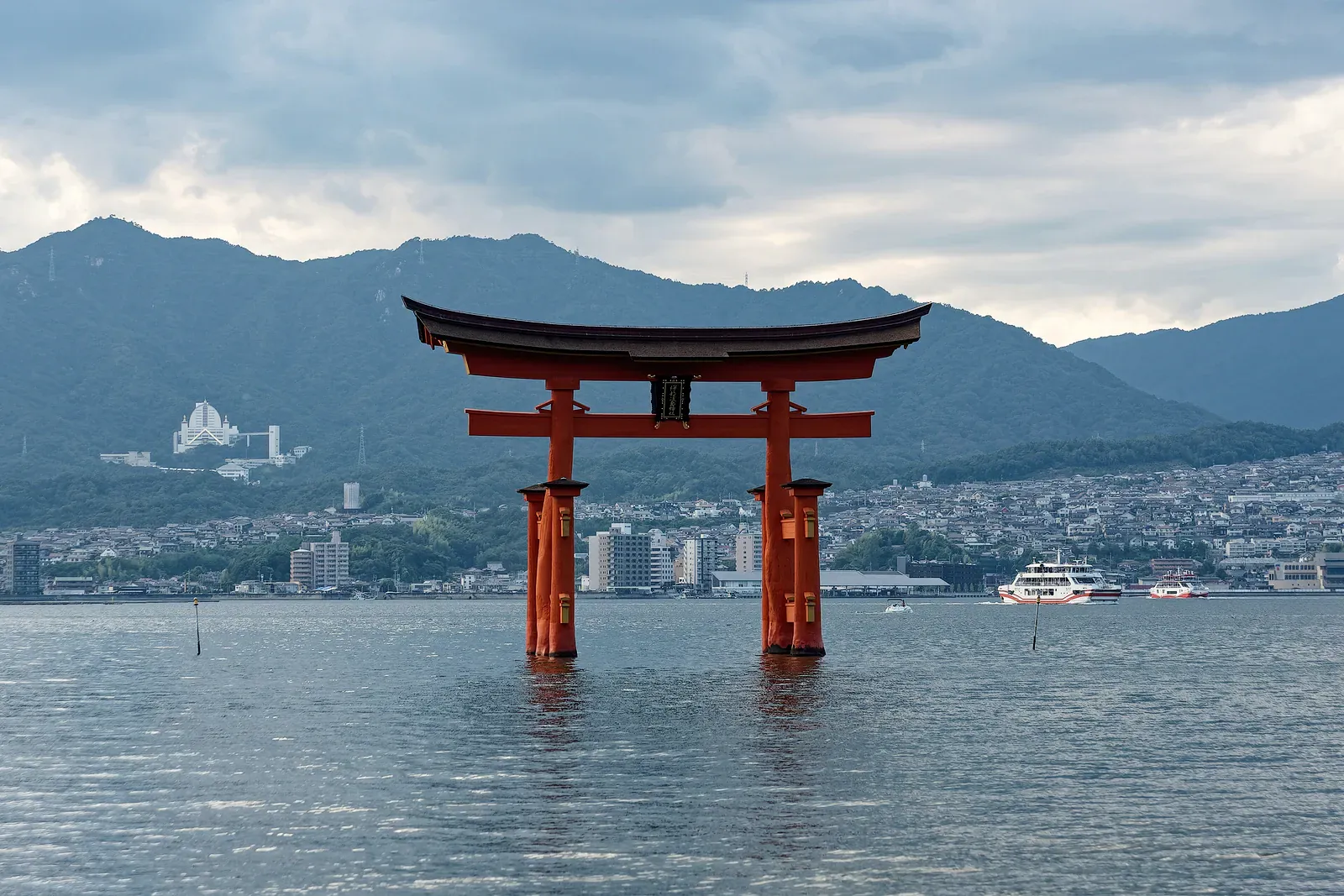
Keep to the side of the path. Two visitor guides say the centre belongs to the deities, while Jinja Honcho calls avoiding the centre of the approach (the kami’s path) a custom some people keep, not a rule. The side costs you nothing.
There is no dress ban, though the Aichi guide advises against revealing clothes and shorts. Shrine worship happens mostly outdoors, so Sapporo’s tourist association suggests hand warmers in winter.
At the water basin: how do you wash?
- Take the ladle in your right hand and rinse your left hand.
- Switch hands and rinse your right.
- Cup your left hand, pour water in and rinse your mouth. Do not drink from the ladle or touch it to your mouth.
- Rinse the ladle handle, then put the ladle back.
Do not pour unused water back into the fountain.
How many scoops? Sapporo’s tourist association says one at the start. Another guide says that limit is not in official guidance, and Jinja Honcho’s page names no number. Treat one as common advice, not a rule.
At a shrine hall: what is the order?
- Put a coin in the offering box.
- Ring the bell, if there is one.
- Bow twice, deeply (about 90 degrees).
- Clap twice.
- Pray.
- Bow once.
Jinja Honcho gives the core as two bows, two claps, one bow. Sapporo’s tourist association adds the coin, the bell and the 90-degree bow.
How much should you offer?
Jinja Honcho says there is no fixed amount for a shrine offering. It mentions the jokes about a 5 yen coin (go-en) and 45 yen (shiju-go-en), then says gratitude and sincerity matter, not the sum. Offerings began as rice and moved to coins later. Offer the coin politely rather than throwing it.
At a temple hall: what changes?
- No clapping. Aichi’s visitor guide says clapping is not a temple practice and asks visitors to avoid it. One English etiquette guide does not mention the difference at all, so it is easy to miss.
- Pray quietly. Coin in the box, short silent prayer. Chant a mantra only if signs say so.
- Shoes off inside buildings. Look for shelves or plastic bags, wear socks and take off your hat.
- Never step on a threshold.
- Incense. Buy one stick and light it from the flame provided, not from another visitor’s candle. Wave the flame out instead of blowing it, then place the stick in the burner.
Before you go Carry coins for the offering box and the stamp desk, and wear socks for temple buildings.
Can you take photos?
Often yes outside, often no inside. Sources agree on the pattern and differ on detail, so the sign decides.
- Grounds: usually fine.
- Inside buildings: often banned. Kyoto guidance reportedly bars photos of main hall interiors and Buddhist statues.
- Never: during rituals, in front of the offering box, or of people praying.
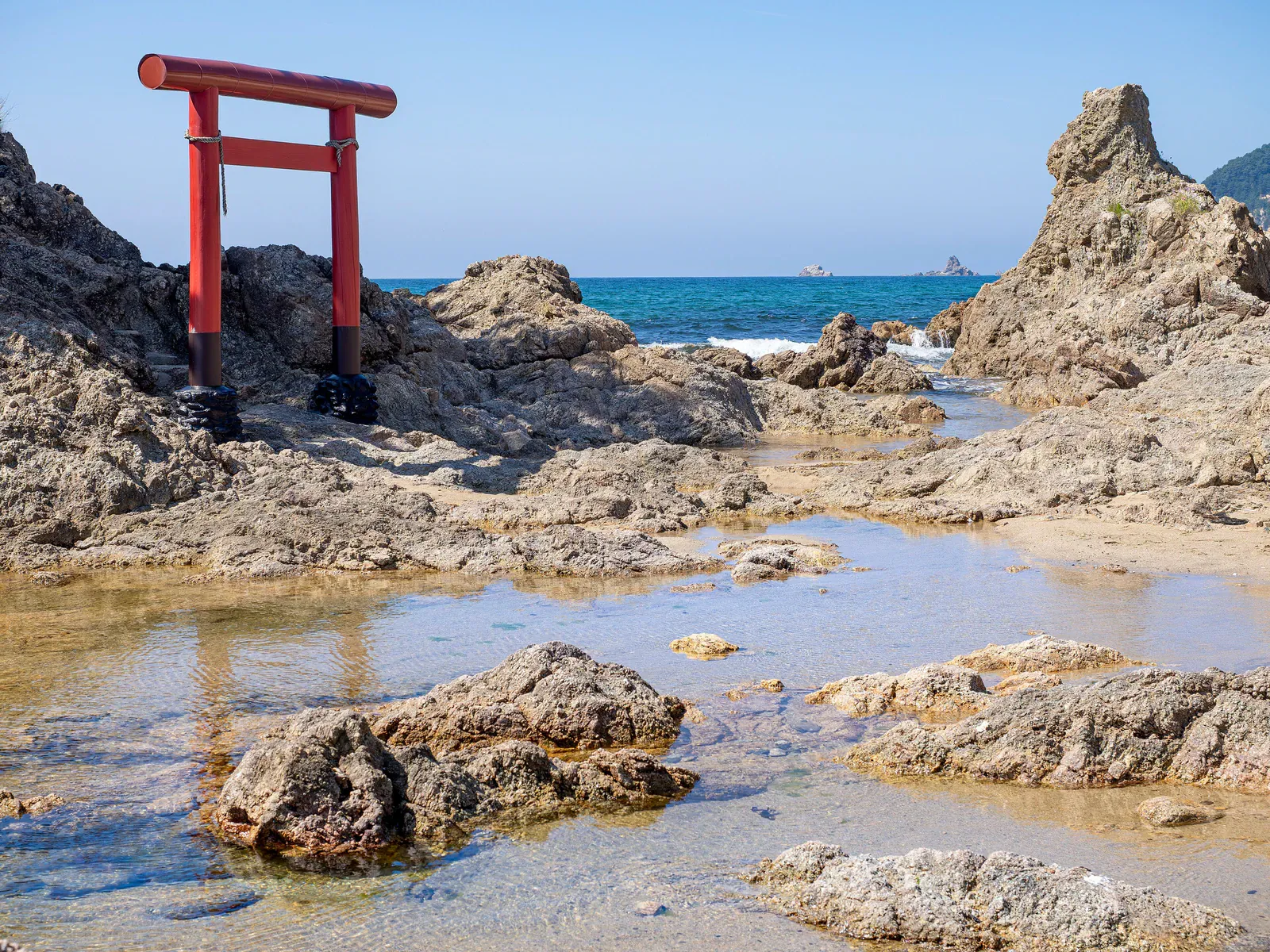
- Torii: one guide asks visitors not to take photos from the middle of the path through the gate.
Jinja Honcho’s pages do not address photography, so each shrine sets its own rule. Photographing people in Gion is a different question, covered in Gion: what you may photograph and Can I photograph a geisha in Gion?.
At the stamp desk: what is goshuin, and what does it cost?
A goshuin is a stamp and brushed calligraphy that shrines and temples write in a dedicated book. Pray first, then go to the desk.
- Fee: commonly $2 to $3 (¥300 to ¥500), with a range up to $6 (¥1,000). Most sites post no price, so carry coins.
- Books: a separate book for shrines and for temples is a convention, not a rule. Sources disagree on how firmly it is kept.
- No book: do not hand over an ordinary notebook to be written in. Ask for a pre-written paper stamp.
- Meaning: Jinja Honcho traces goshuin to sutra offerings and describes the book as a commemoration of a visit.
Dollar figures use about ¥155 to US$1 and are rounded; you pay in yen, so check the rate.
What do the fines look like?
Penalties run from a litter fine to prison terms, per Kyoto’s tourism site. Trespass in restricted temple or shrine areas carries up to 3 years in prison or $645 (¥100,000). Damaging property carries up to 3 years or $1,940 (¥300,000). Kyoto has 43 “Beautification Promotion Areas”, including Arashiyama and Fushimi Inari, where litter and similar offences bring fines up to $195 (¥30,000).
What is open at New Year?
Most temples and shrines stay open from 29 December to 4 January, though each sets its own hours, while shops, banks, ATMs and many restaurants close, especially on 1 January. First visits of the year (hatsumode) bring more than 1 million people each to Meiji Shrine, Fushimi Inari, Sumiyoshi Taisha and Tsurugaoka Hachimangu in the first days, with queues of an hour or more. Fushimi Inari is quieter at early hours, and temples ring bells at midnight.
Offerings and stamps are paid in coins, so get them before the banks and ATMs close.
To verify No source states a rule on tattoos at shrines or temples, and Jinja Honcho’s pages do not address them. Absence of a rule is not permission, so read the sign or ask the office. The Kyoto photo wording is medium confidence, and goshuin fees come from an embassy newsletter and one magazine, not an official list.
Quick answers
How much money do I put in the offering box?
Jinja Honcho says there is no fixed amount for a shrine offering. It stresses gratitude and sincerity over the sum, and asks you to offer the coin politely rather than throw it.
Do I clap at a temple?
Do not clap, and follow the signs. Aichi Prefecture's visitor guide says clapping is not a temple practice and asks visitors to avoid it. Pray quietly instead. At a shrine you clap twice.
Can I take photos inside a shrine or temple?
Usually fine on the grounds, often banned inside buildings. Kyoto guidance reportedly bars photos of main hall interiors and Buddhist statues. Do not photograph rituals, people praying or the area in front of the offering box. A posted sign decides.
Can I enter a shrine or temple with a tattoo?
No source names a national rule. Jinja Honcho's pages do not cover tattoos, and each shrine or temple sets its own rules, so read the sign or ask the office. Onsen are a separate question.
Are shrines and temples open at New Year?
Most do. They stay open from 29 December to 4 January while many shops, banks and restaurants close. Big shrines draw queues of an hour or more for the first visit of the year.