No.03 - Onsen
Onsen, rule by rule
Soak with confidence: onsen etiquette, tattoo policies, private baths, ryokan stays and the best snow-country onsen towns, plus what shuts in winter and how to soak safely.
Guides
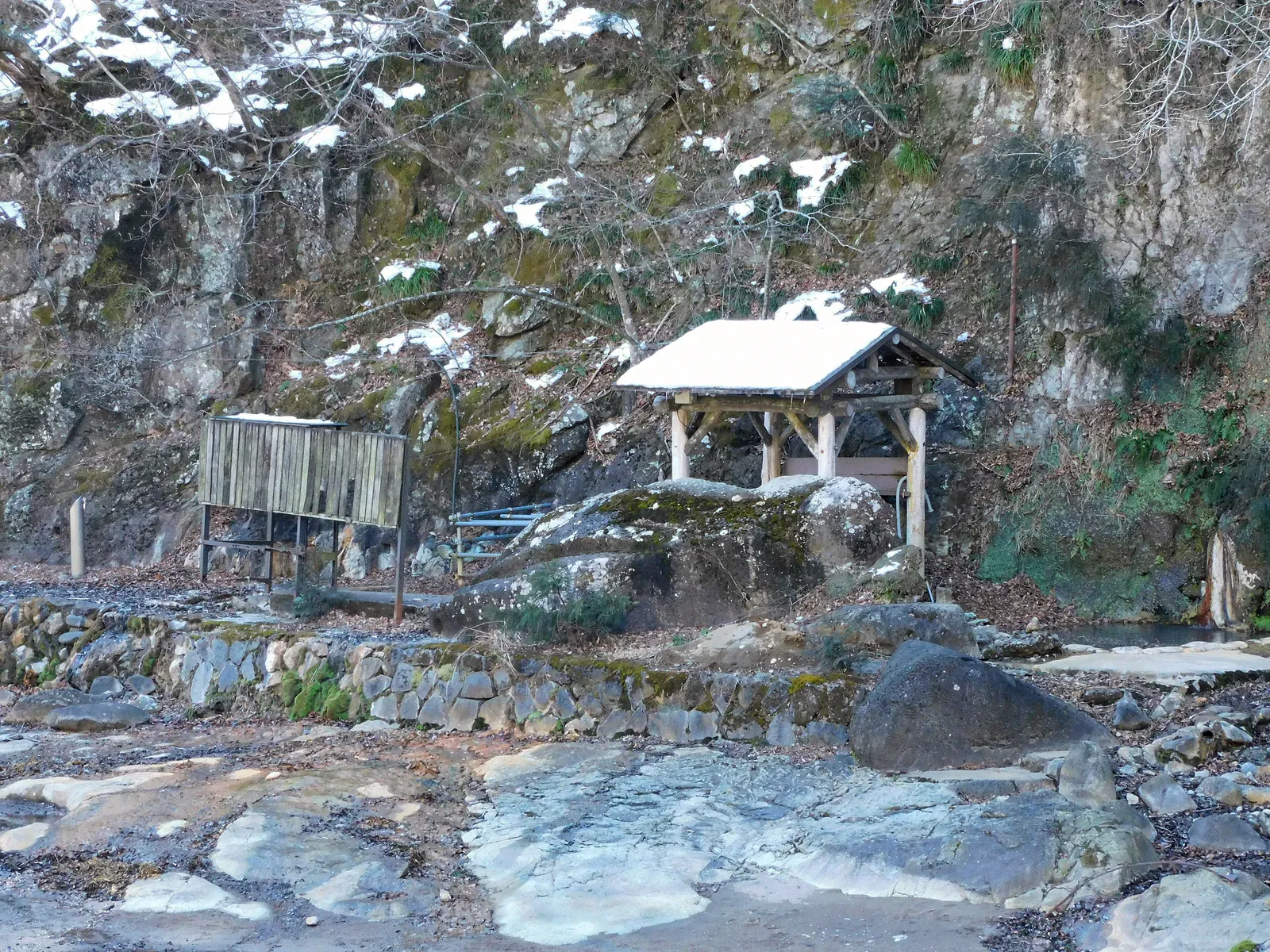
 OnsenBeppu and Yufuin onsen: baths, fares and winter closuresBeppu and Yufuin in Oita: Takegawara from $2 (¥300), Yunotsubo $1 (¥200), last-known fares from Fukuoka, winter closures and family-bath prices.
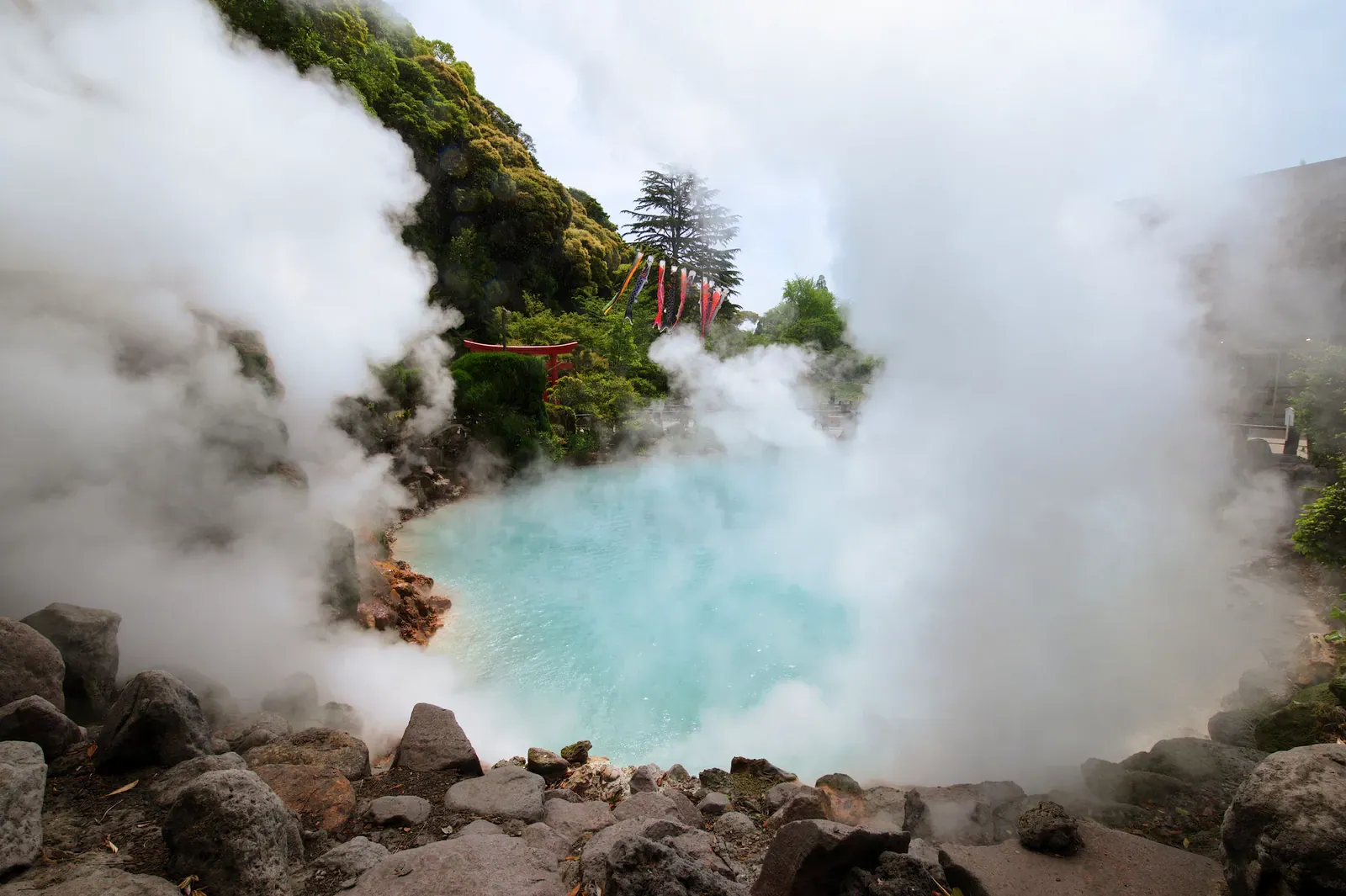
 OnsenBest onsen in Japan: 11 towns comparedHakone, Kusatsu, Beppu, Kinosaki, Noboribetsu and six more onsen towns compared on water, access, day-bath fees and official tattoo wording.
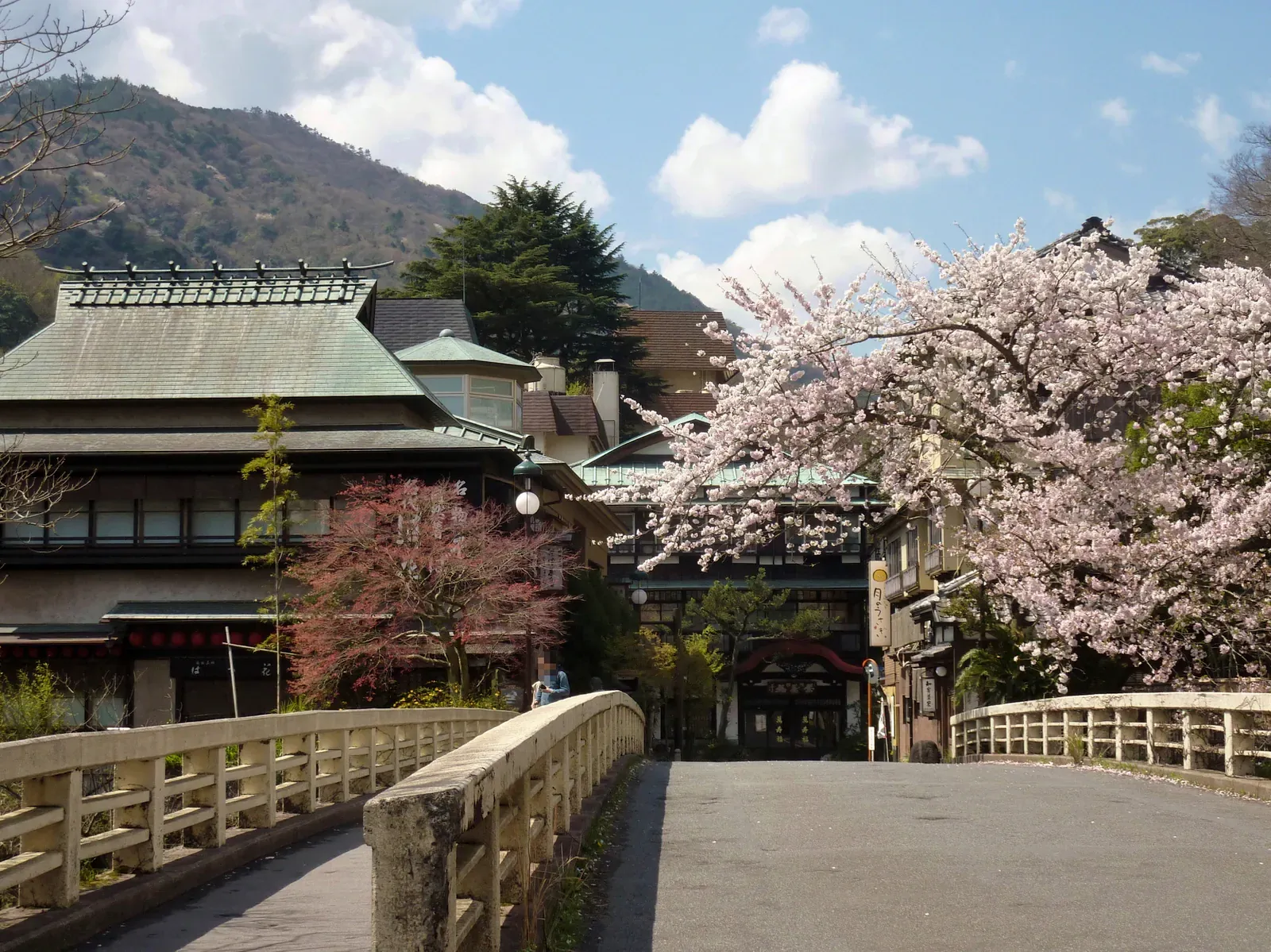 OnsenHakone onsen: day trip, day baths and tattoo wordingHakone onsen guide: Romancecar about 80 minutes from Shinjuku, Yuryo day bath $9 (¥1,400), tattoo wording at three baths and the winter ropeway closures.
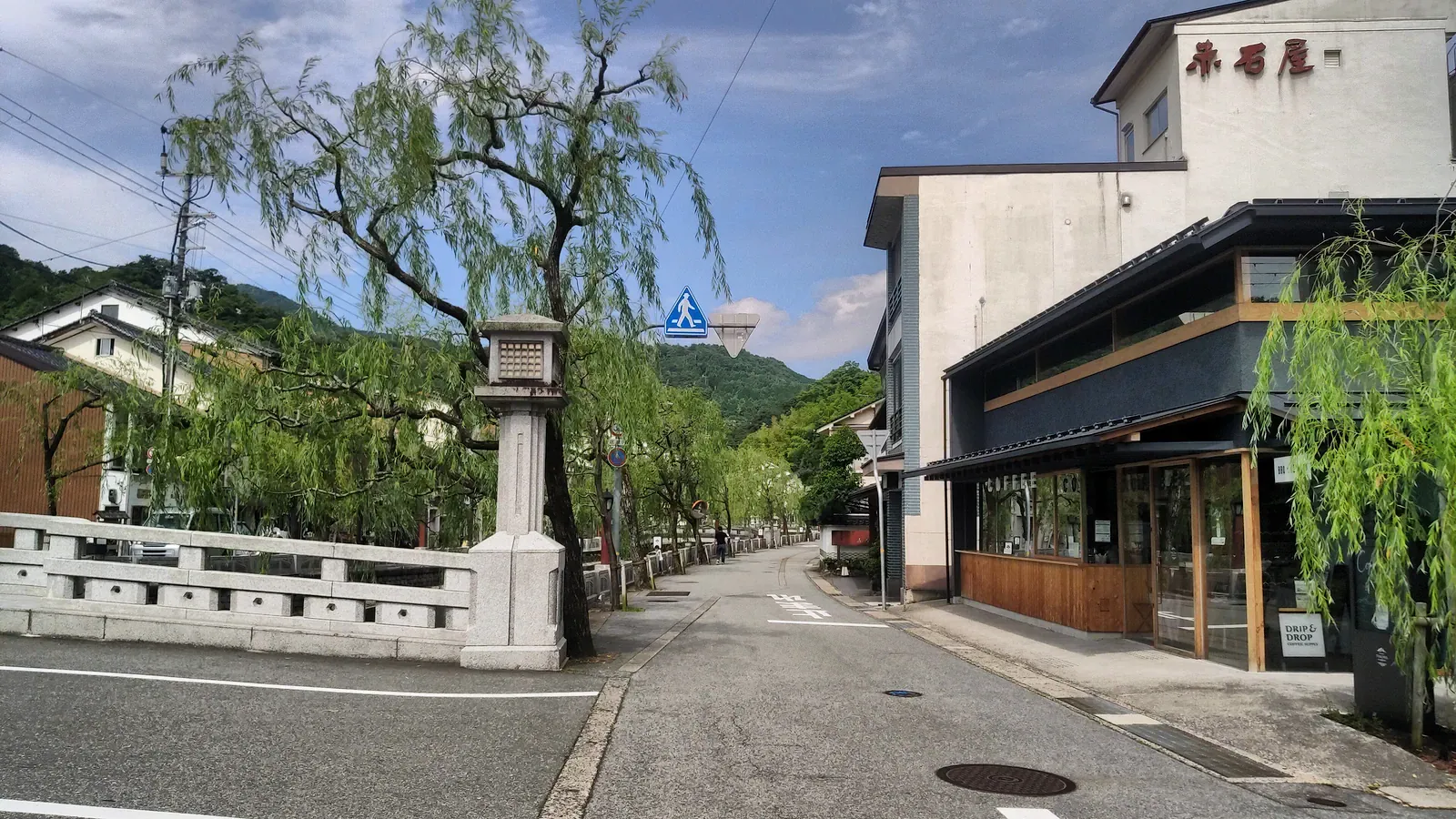 OnsenKinosaki Onsen guide: day pass, bath hours and tattoosKinosaki Onsen, Hyogo: a $10 (¥1,500) pass for the public baths, each bath's closing day, the tourism site's tattoo wording and two bath closures.
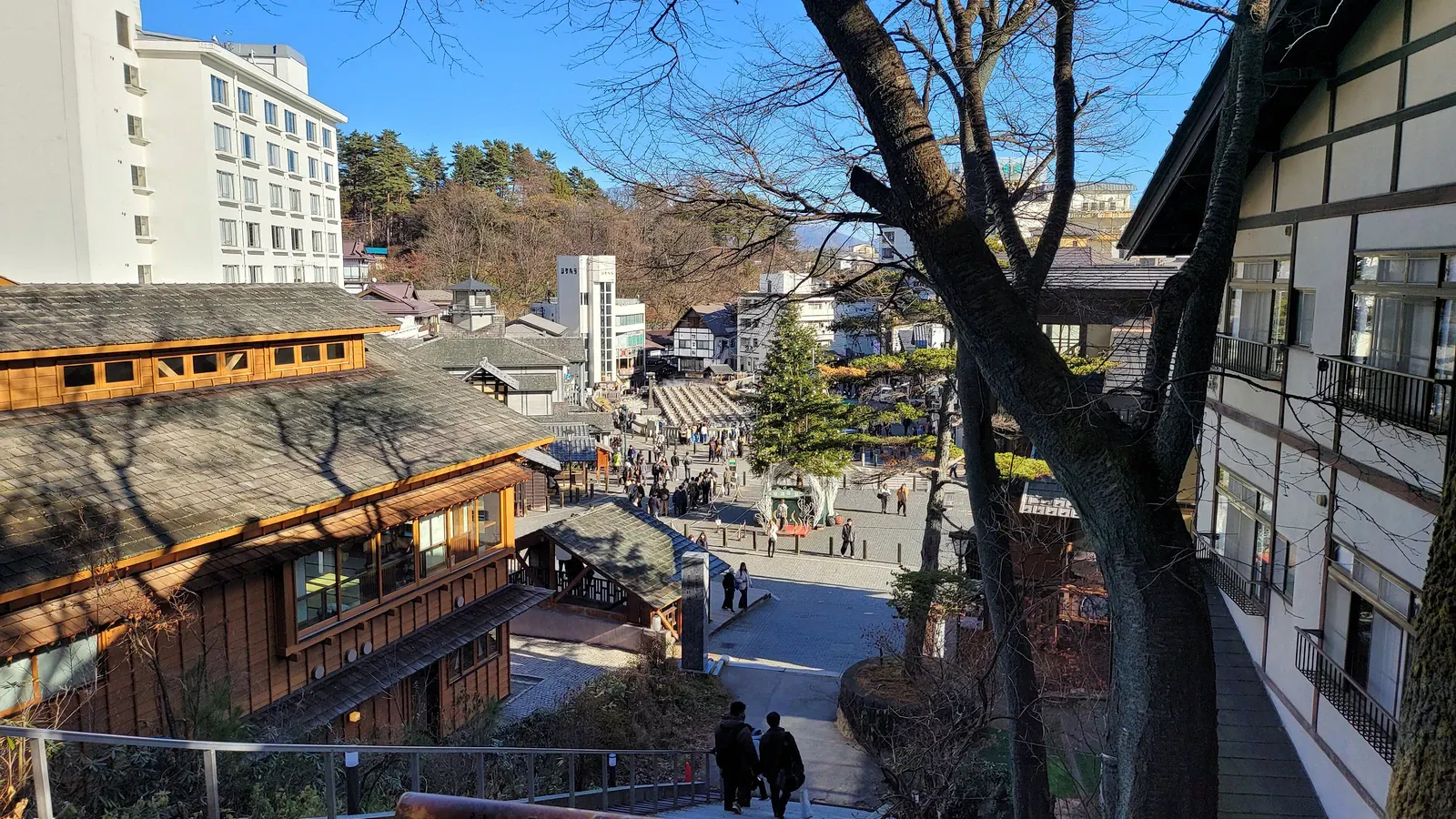 OnsenKusatsu Onsen guide: baths, fees, tattoos and winterKusatsu Onsen in Gunma: three paid baths from $5 (¥800), winter hours, the town's own tattoo wording and Friday mixed bathing.
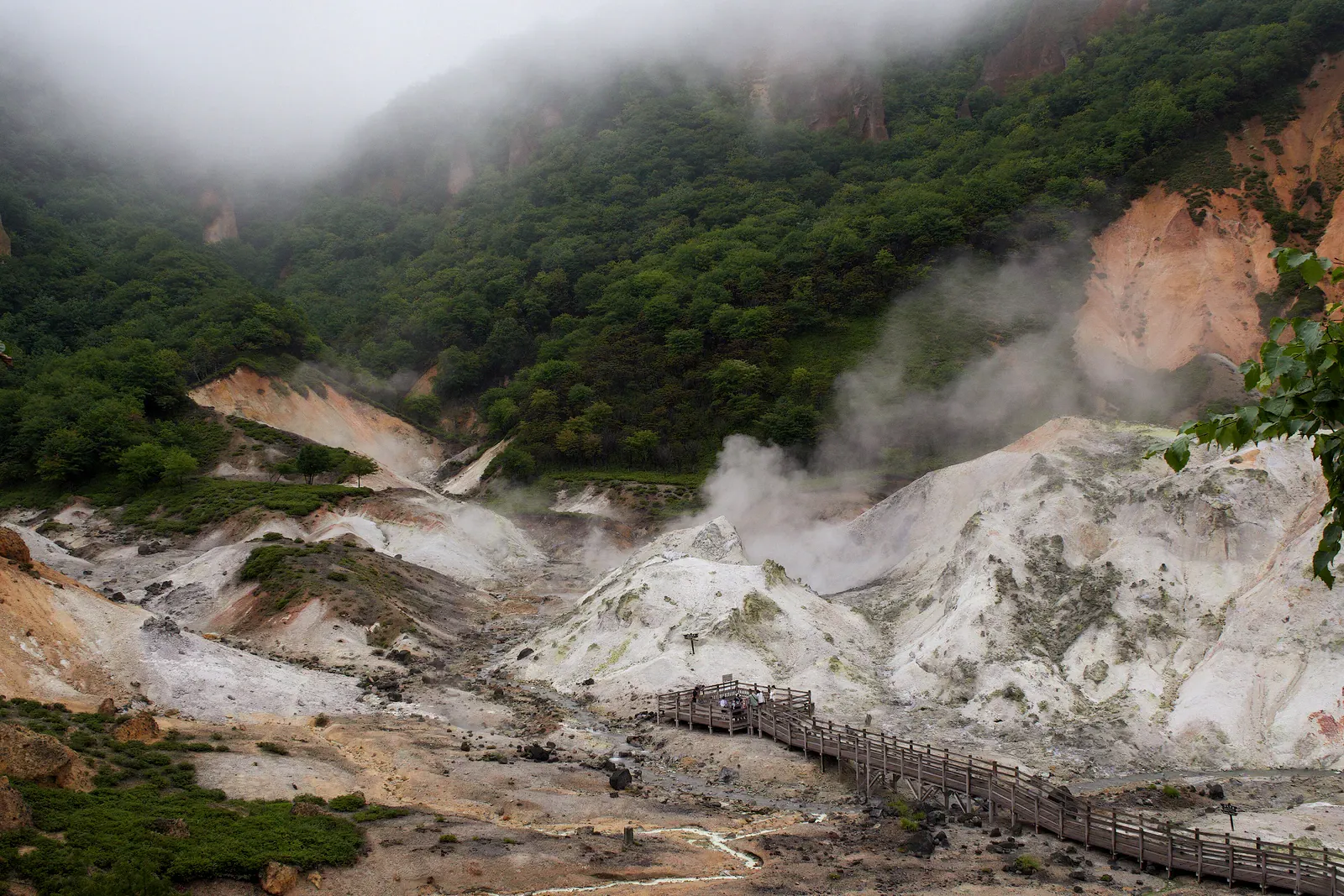 OnsenNoboribetsu onsen: Takimotokan fee, springs, accessNoboribetsu onsen guide: Takimotokan day bath $16 (¥2,500) from 1 Aug 2026, five spring types, Sapporo access in about 70 minutes and winter notes.
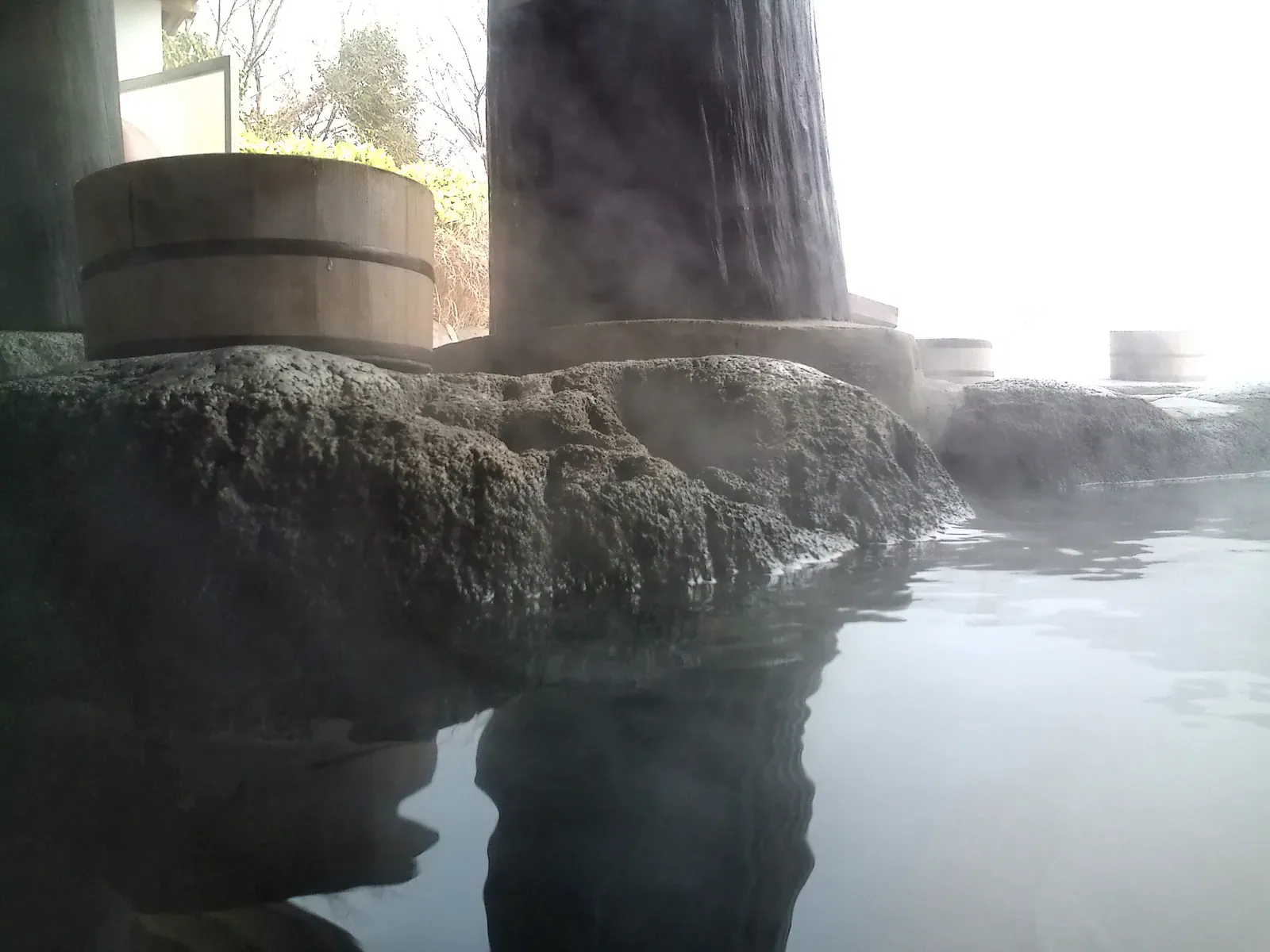
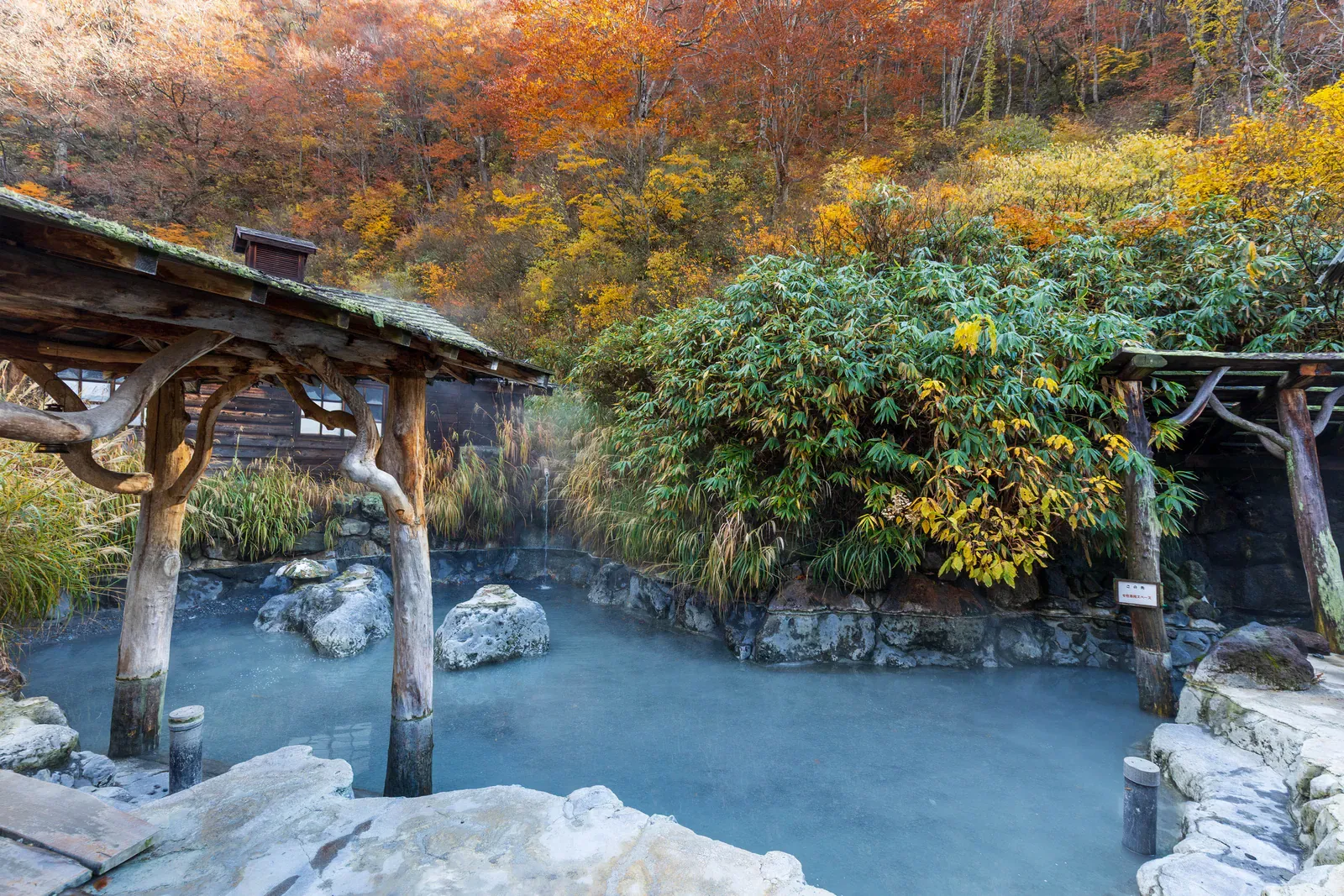 OnsenOnsen etiquette: the rules that actually matterOnsen etiquette from door to exit: washing, towels, swimsuits, alcohol, soak times and the house rules of named baths in Nozawa, Zao and Kusatsu.
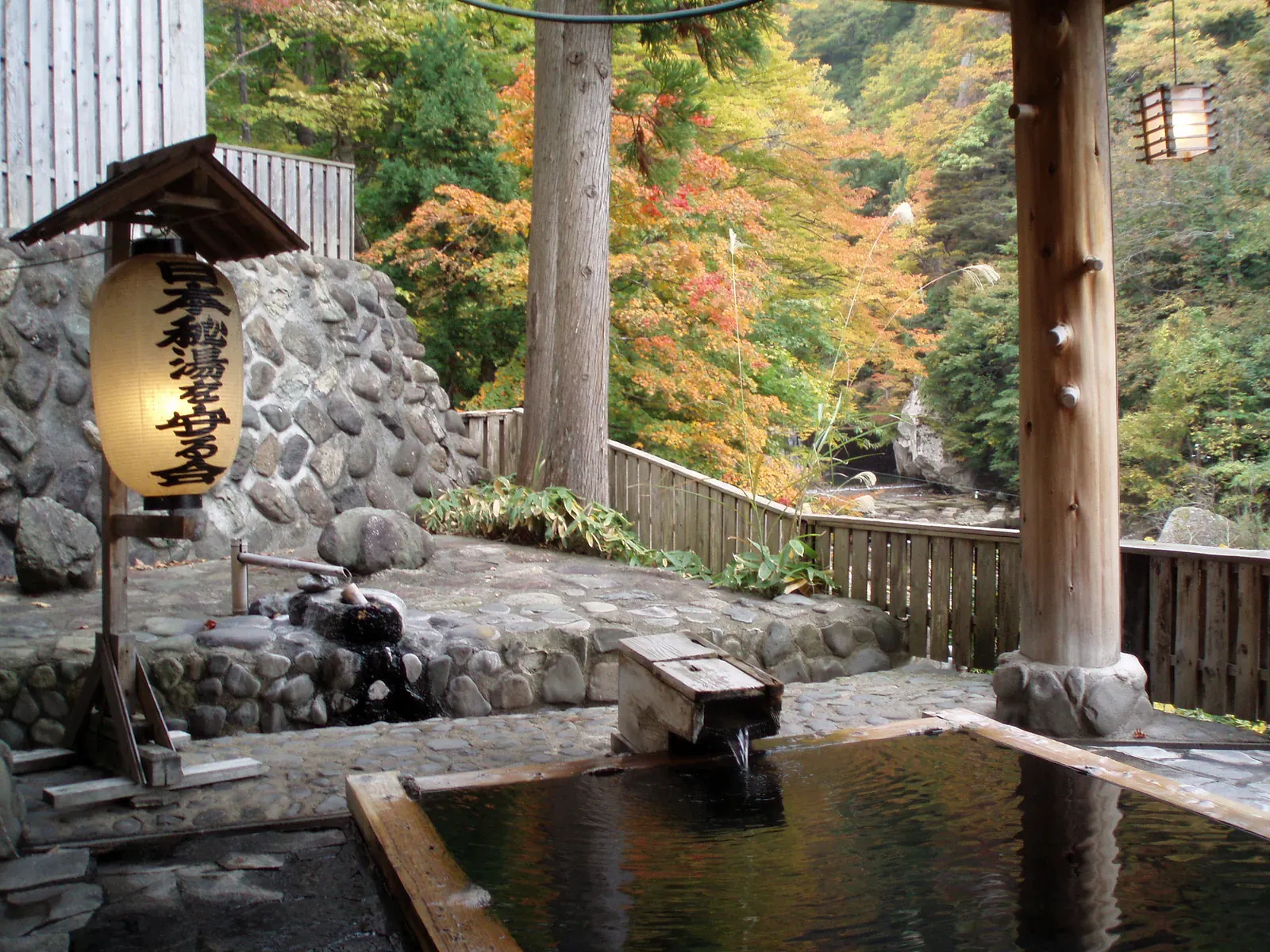 OnsenTattoos and onsen: yes, no, or ask firstTattoos in onsen: no national law, so each bath decides. What named baths say, how to ask, the 2015 survey, a directory's counts and the fallbacks.
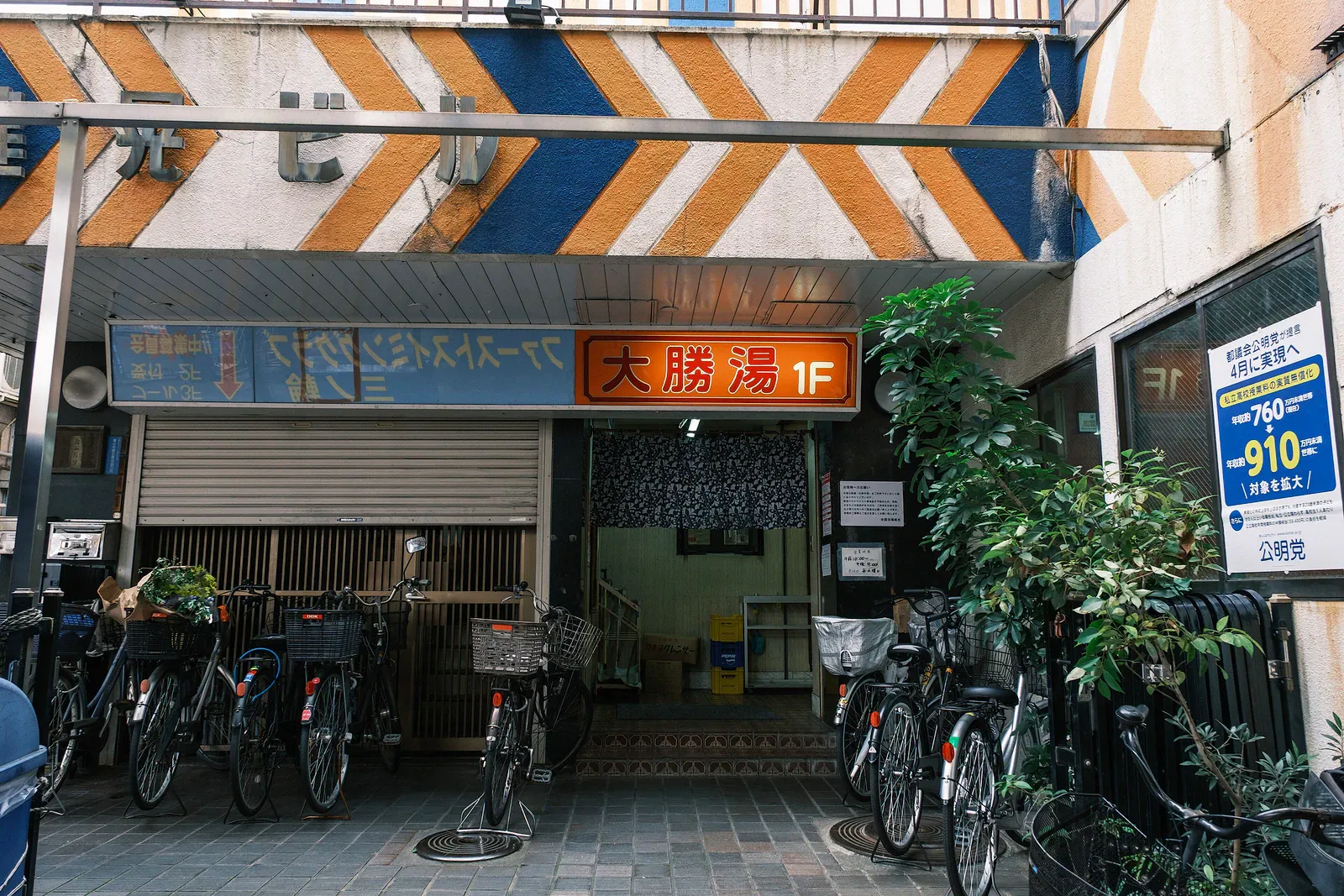 OnsenOnsen vs sento vs private bath: price, rules, fitOnsen, sento or private bath? Tokyo's $4 (¥600) sento cap from 1 Aug 2026, onsen day-bath fees, private-bath prices, rules and tattoo notes compared.
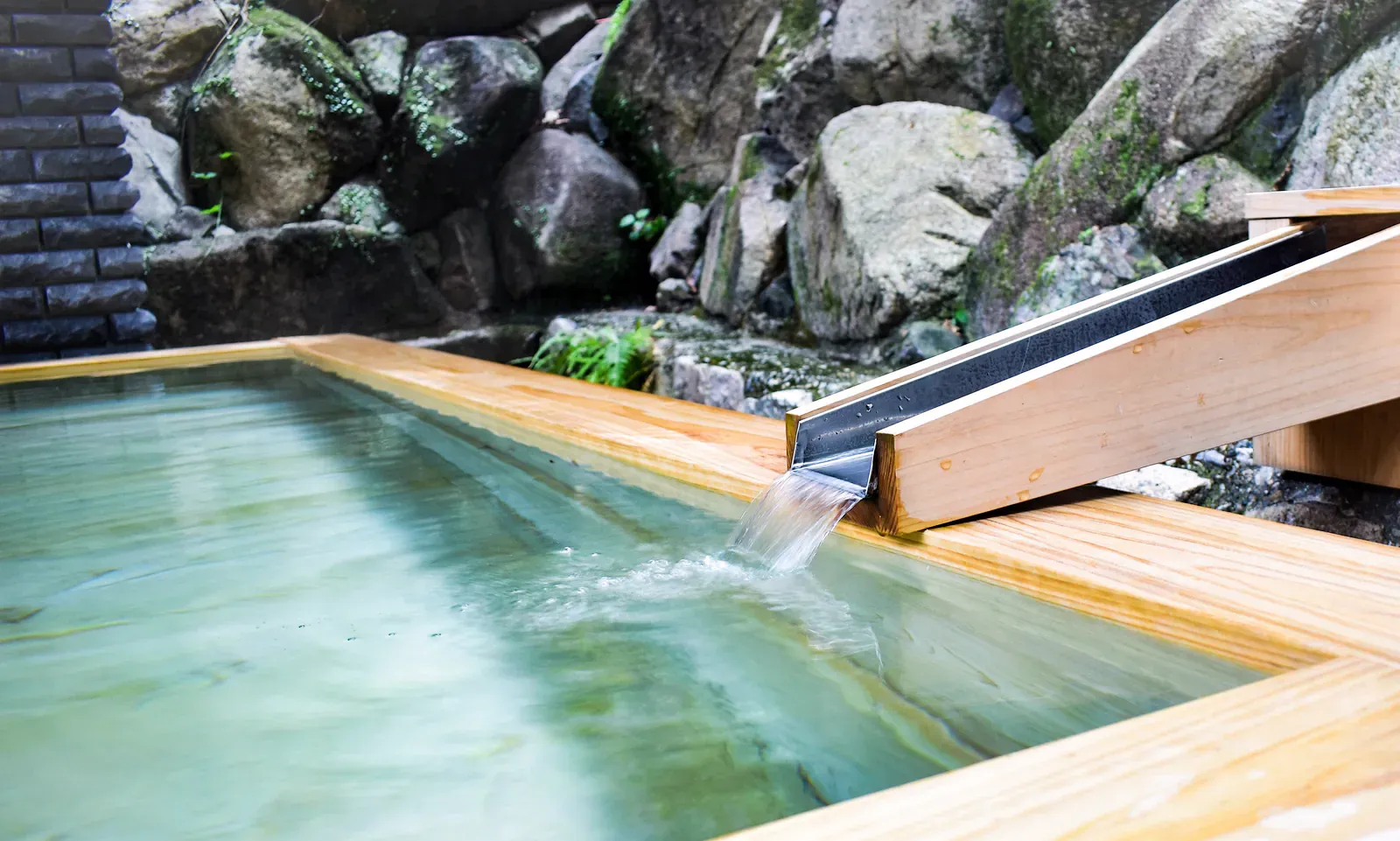 OnsenPrivate onsen (kashikiri): how to book and what it costsPrivate onsen (kashikiri): booking steps, slot lengths and a price table of named baths in dollars and yen, with tattoo and couple rules.
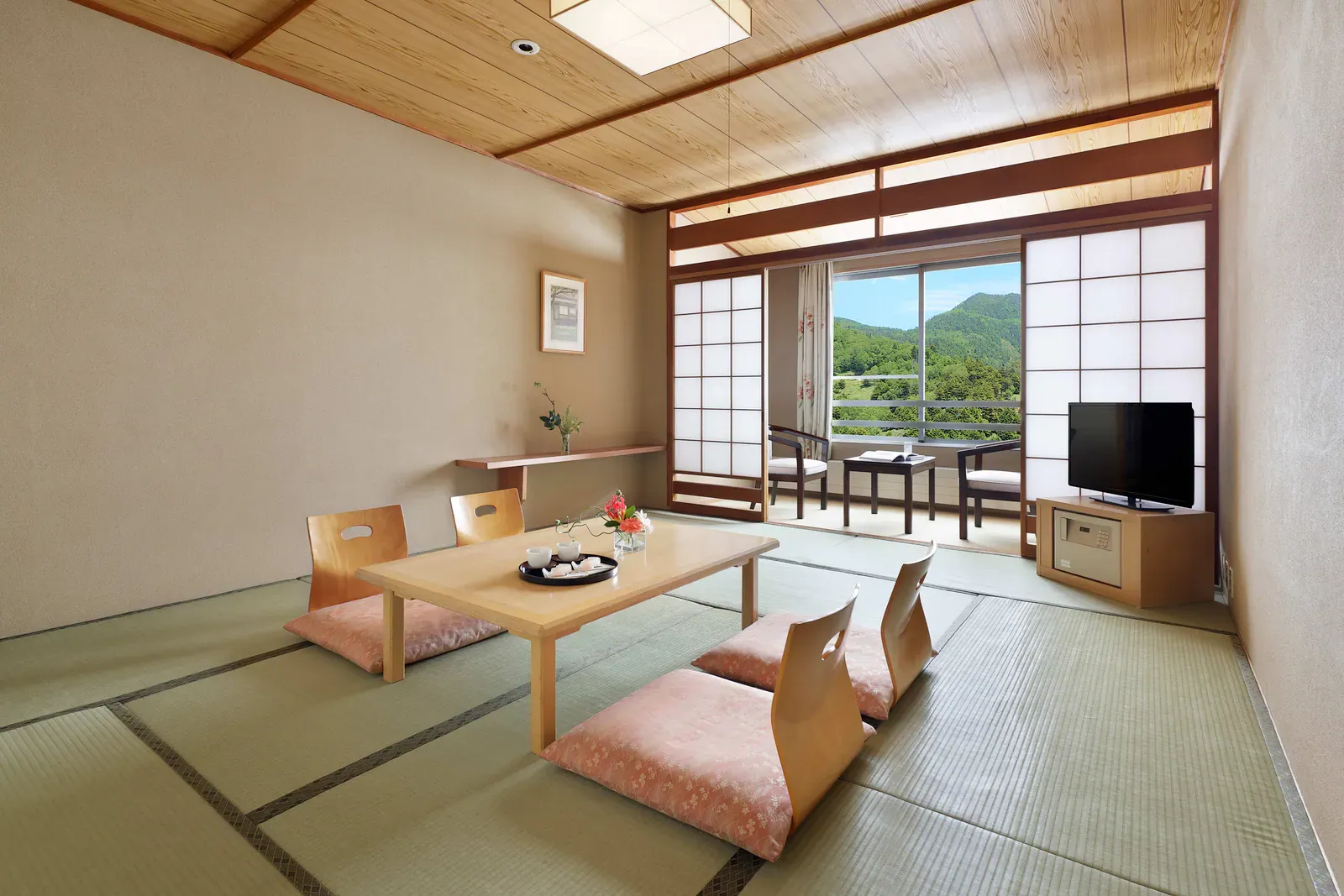 OnsenStaying in a ryokan: first-timer rules and cutoffsRyokan for first-timers: arrival cutoffs, included meals, baths, tattoos, diet requests and cancellation, with prices in dollars and yen.
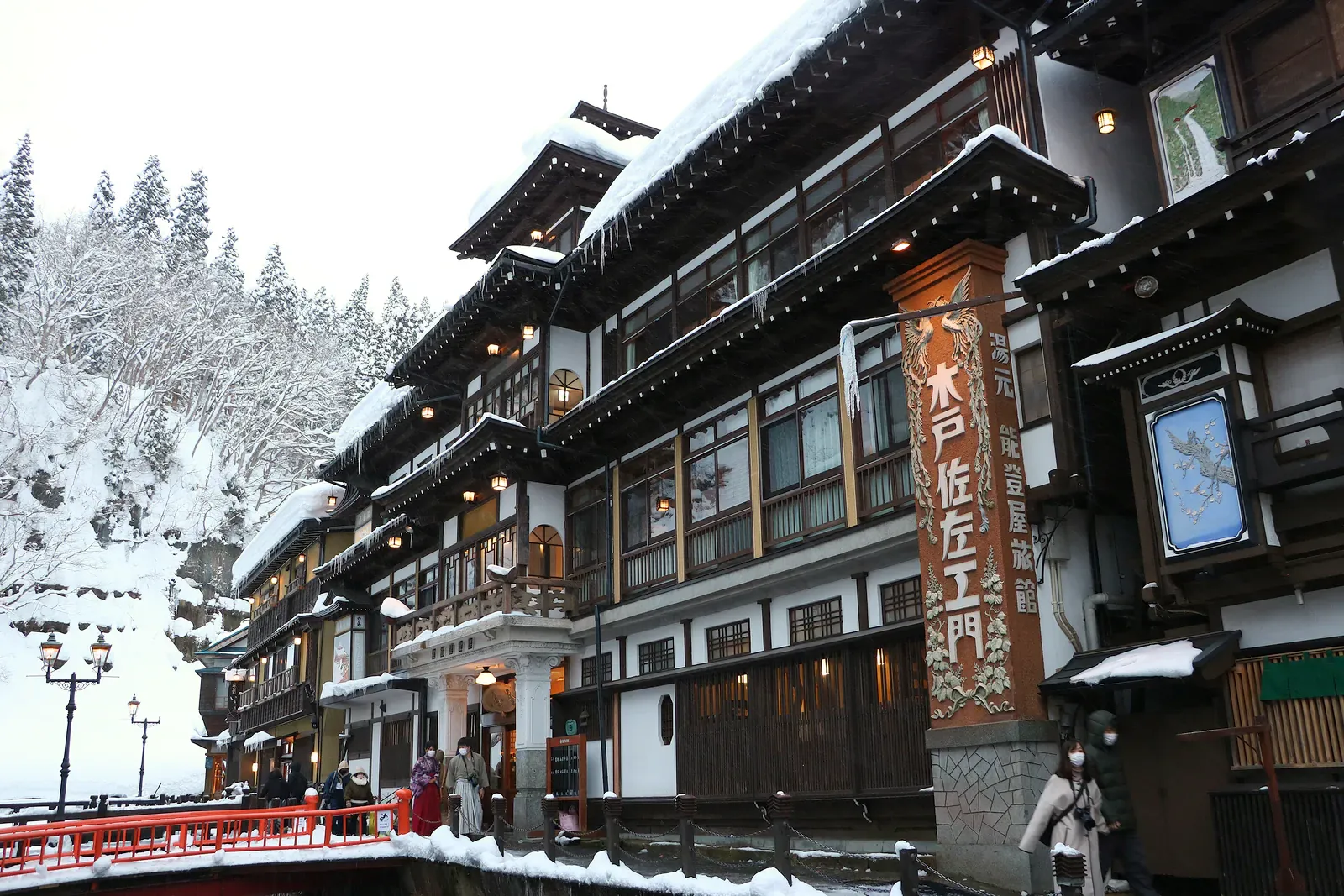 OnsenSnow onsen towns: where to ski, soak and stayNozawa, Zao, Ginzan and Kusatsu ranked by sourced access from Tokyo and winter closures, with lift prices, bath fees and tattoo evidence.
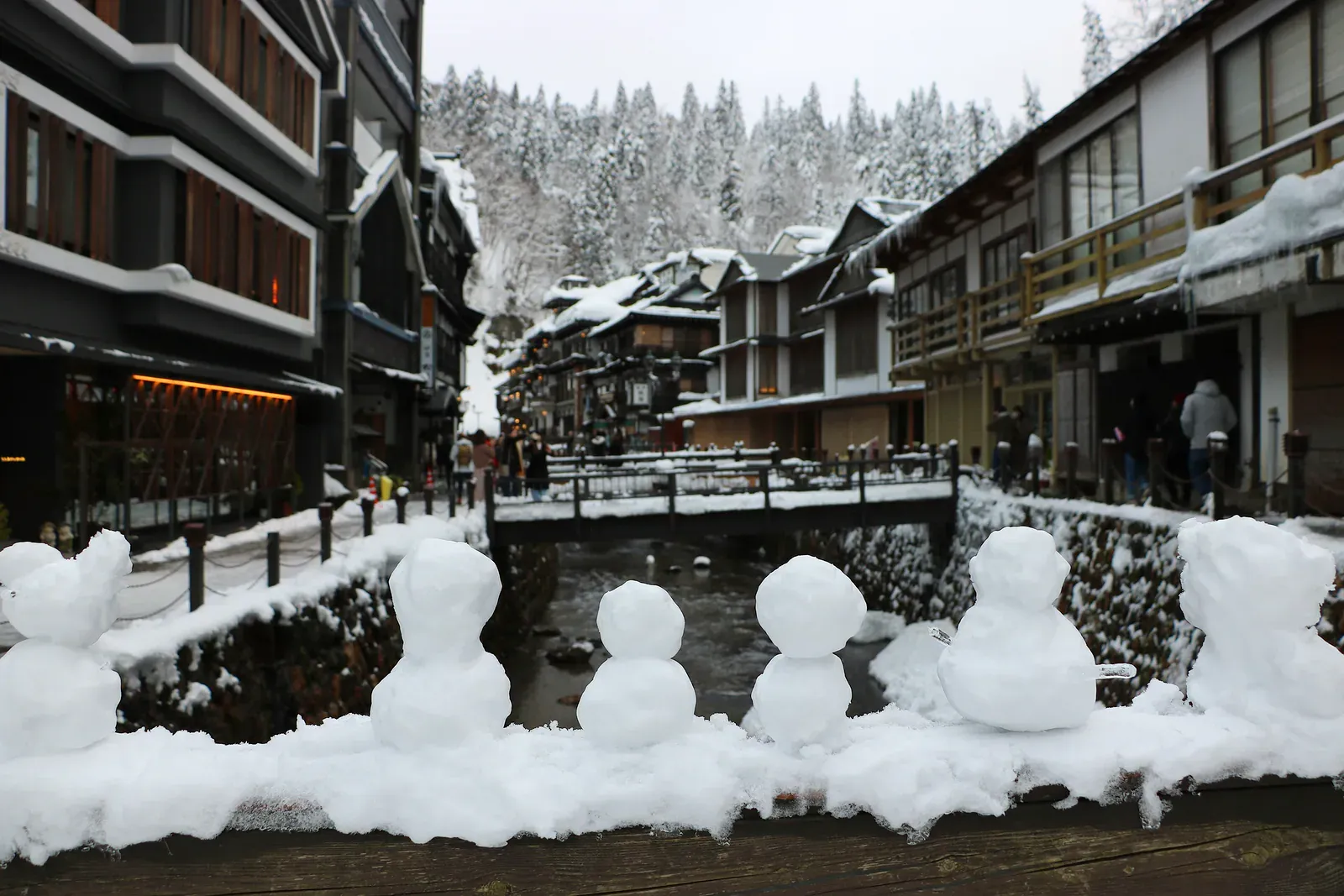 Coming soonOnsen etiquette, in orderThe rules from door to bath.
- Coming soonTattoo-friendly onsenWhere you can go, and how to check.
- Coming soonPrivate bathsBook a bath of your own.
- Coming soonRyokan guideWhat to expect and how to pick.
Wash before you get in, keep the towel out of the water and ask about tattoos first. An onsen is a bath of natural hot spring water, and each bath sets its own rules on towels, soap, tattoos and opening hours. The guides below cover each rule, then what shuts in winter.
What counts as an onsen?
Under Japan’s Hot Springs Act, water must come out of the ground at 25 °C or warmer, or contain specified minerals. Most baths are separate by gender, with a few mixed ones. A soak is short: 3 to 10 minutes is typical, according to the Japan Spa Association.
What to explore
- Etiquette Wash before you enter and keep the towel out of the water. Nozawa’s village baths may supply nothing, so bring your own soap and towel; Zao’s communal baths ban soap altogether.
- Tattoos Policy is set bath by bath. In a 2015 Japan Tourism Agency survey, 56% of responding facilities barred tattoos, 31% did not and 13% accepted covered ones. One bath directory (secondary) lists 6,173 baths and has no recorded tattoo answer for about 77% of them.
- Private baths A private slot, usually 40 to 60 minutes, is the fallback when a public bath says no. Beppu Hyotan publishes $15 (¥2,400) for 60 minutes; one guide quotes anything from free to about $32 (¥5,000) per slot.
- Snow onsen towns Four towns ranked by sourced access from Tokyo, Nozawa first. Nozawa has 13 village baths, free with a donation requested (a few are villagers-only); Zao has three communal baths at $1 (¥200) each.
- Ryokan Dinner and breakfast are usually included, so arrive by about 17:00 and tell the inn about food needs when you book.
- Best onsen in Japan, compared Eleven towns side by side: region, water, access, day bath and tattoo wording.
- Onsen, sento or private bath Prices and rules for each, with the Tokyo sento cap of $4 (¥600) from 1 August 2026.
- Hakone The Yuryo day bath is $9 (¥1,400) with no closing day, and the Romancecar from Shinjuku takes about 80 minutes. Yuryo bars tattoos.
- Kusatsu Three paid baths at $5 to $8 (¥800 to ¥1,200) each, and Sai-no-kawara has no closing days. The Gozanoyu FAQ states no specific refusal of tattooed guests.
- Beppu and Yufuin Takegawara is $2 (¥300) for the bath and $10 (¥1,500) for the sand bath; Yufuin’s Yunotsubo is $1 (¥200).
- Kinosaki One $10 (¥1,500) day pass covers the public baths, and the town tourism site’s own tattoo wording is “All Tattoo Friendly”.
- Noboribetsu Takimotokan is $16 (¥2,500) from 1 August 2026, and its baths draw on five spring types.
Dollar figures use about ¥155 to US$1 and are rounded; you pay in yen, so check the rate.
To verify Tattoo policy is bath by bath. Kusatsu Gozanoyu’s official FAQ says there is no specific refusal of people with tattoos in its three baths, including foreign visitors. Hakone Tenzan’s FAQ admits tattooed guests only when alone and asks you to cover. Nozawa village baths, Zao Dairotenburo, Ginzan public baths and Beppu Hyotan each have no tattoo restriction published on its official page. That is not permission: staff decide on the day, and a private bath or a cover is the fallback.
What is closed in winter?
Closed in winter Zao Dairotenburo, the big outdoor bath, is closed from late November to April. The operator lists $5 (¥850) for adults when it is open. Zao’s three $1 (¥200) communal baths stay open. In Nozawa, the Akiba-no-yu bath was reported suspended in 2026, so check before you walk over. Ginzan Onsen limits day visitors in winter, and its official 2026-27 page is still a draft. The Ginzan Onsen visitor information office (0237-28-3933) can confirm.
Last known Ginzan rules (winter 2025 to 2026): shuttle from the lot, evening visitors by ticket only, overnight guests only after 20:00. Current rules are unclear right now. The snow onsen towns guide above has the details.
Is it safe to soak?
Not after alcohol, and never alone if you are elderly, a child or disabled. If you have high blood pressure or heart disease, avoid water hotter than 42 °C. Pregnancy was removed from the official contraindication list in 2014, but ask your doctor. Strongly acidic water at Kusatsu and Zao can tarnish silver, so leave jewellery in your room.
Quick answers
Can I go in an onsen with a tattoo?
Depends on the bath. No national rule exists: some baths accept tattoos, some refuse them and many publish nothing, so ask first. A private bath or a cover is the fallback.
Do I have to be naked?
In a normal onsen, yes. Swimsuits are not allowed unless a sign says so. Keep the small towel out of the water.