
Guide · Wild and Trek
Wildlife in Japan: where to see it and the rules that apply
Viewing rules for Jigokudani macaques, Kushiro cranes, bear areas, Shiretoko and Yakushima, plus the sources behind sakura and autumn leaf forecasts.
Keep at least 1 m from the Jigokudani macaques, treat all of Shiretoko National Park as bear habitat and expect a conservation donation request on Yakushima. The Iriomote cat and the Amami rabbit have conduct guidance, and the last sakura forecast on JMA’s English site is from 2009.
What do the parks charge?
Jigokudani charges an entry fee, Yakushima asks for a donation, Daisetsuzan charges for camping and no Shiretoko entry fee was seen.
| Place | Fee | Rule to know |
|---|---|---|
| Jigokudani | $5 (¥800) on site to 30 Nov 2026, $6 (¥1,000) from 1 Dec 2026 | Keep 1 m from the monkeys; no feeding or touching |
| Shiretoko | No entry fee seen; guide fee not found | Guide required on the Five Lakes ground path in bear season |
| Yakushima | Voluntary, last known $6 (¥1,000) a day trip, $13 (¥2,000) longer | Stay on the marked trail; carry waste out |
| Daisetsuzan | Camping $3 (¥500) per person; Hakuundake adds a $6 (¥1,000) trail donation | Camp only at designated sites |
| Kushiro | Not found | Arrive before sunrise, per a guide-operator tip |
Dollar figures use about ¥155 to US$1 and are rounded; you pay in yen, so check the rate.
What are the rules at Jigokudani?
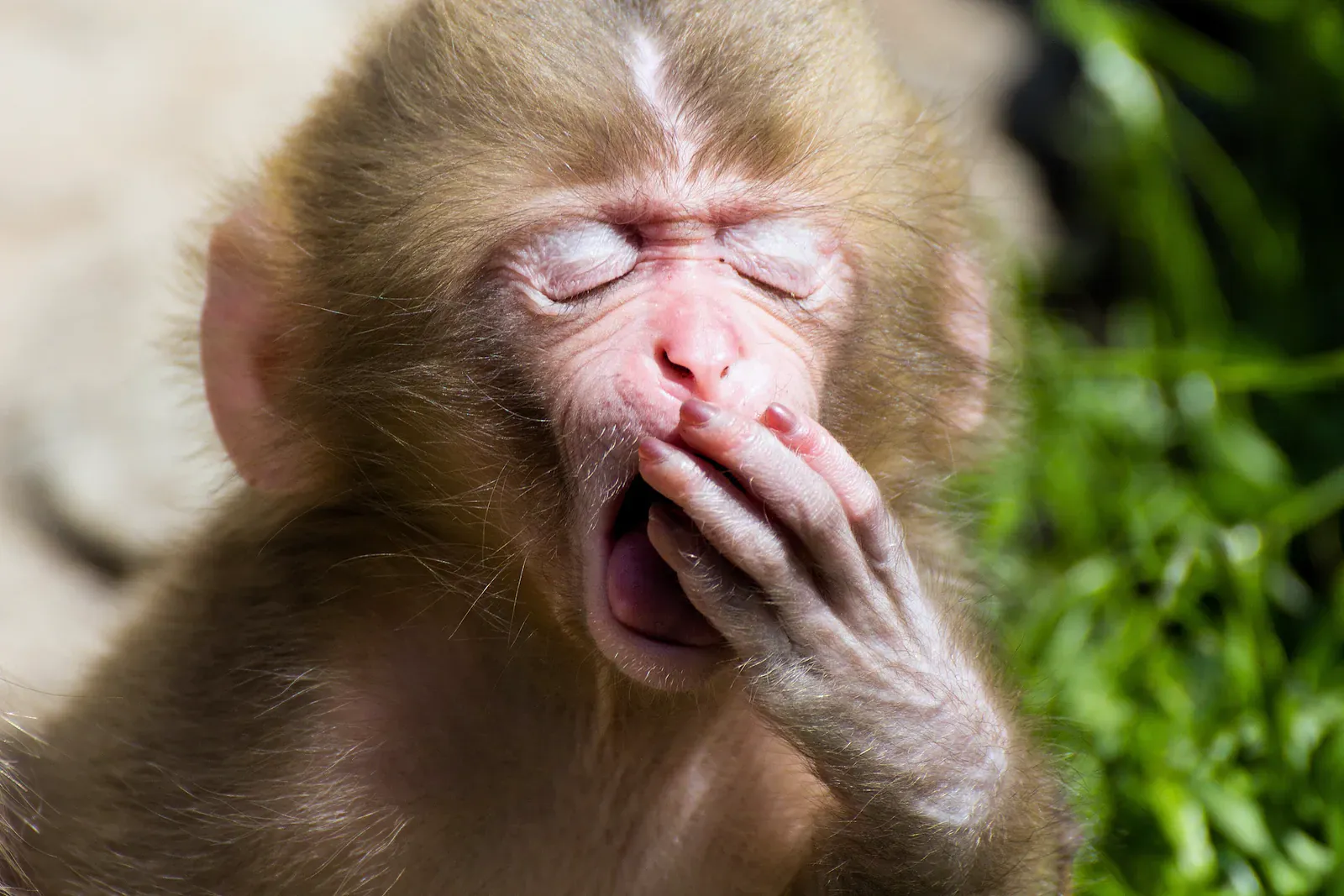
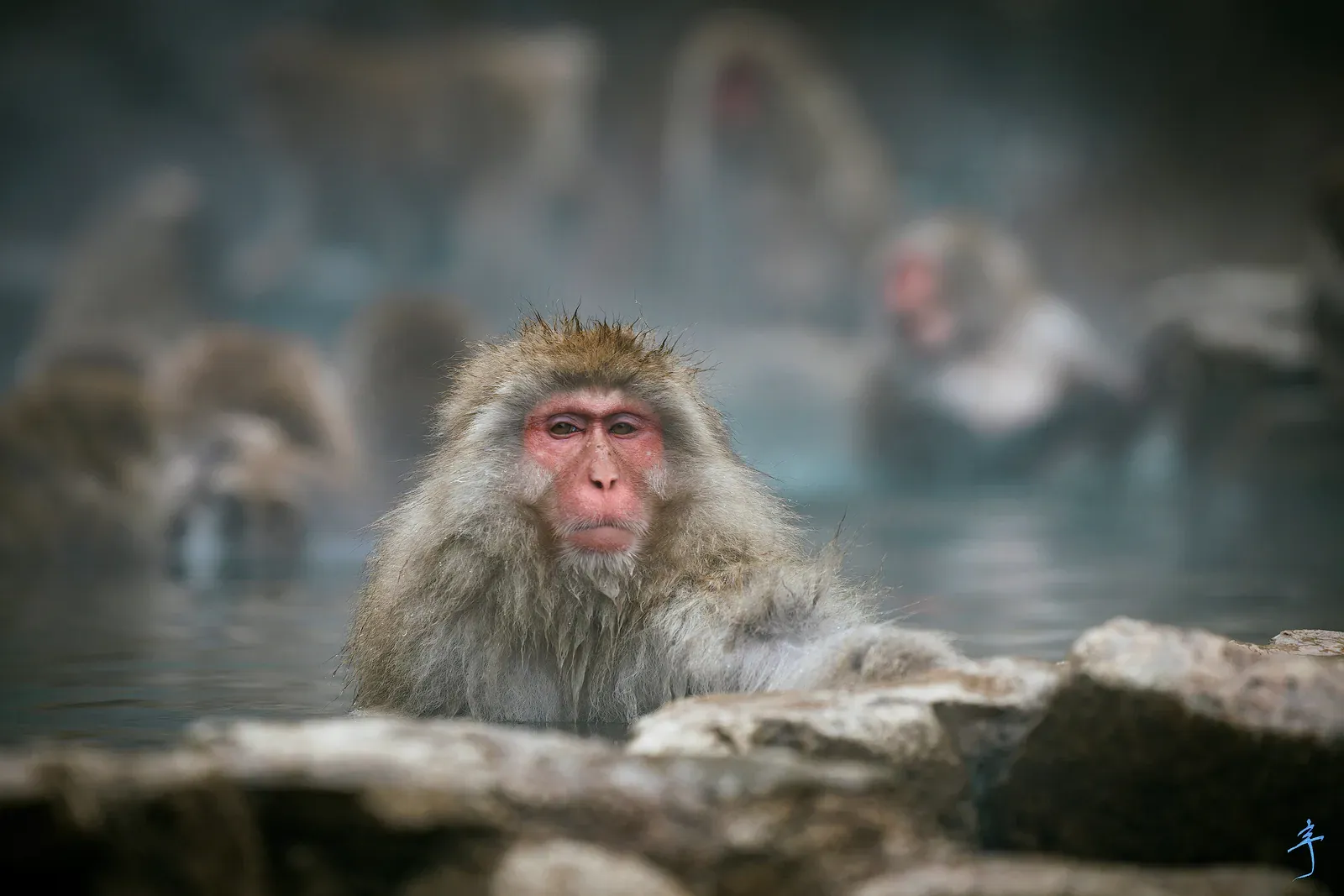
Stay at least 1 m from the macaques, and do not feed, touch or threaten them. JNTO’s national parks page adds that you should not stare, because the monkeys read it as aggression, and should not join them in the bath. It gives protecting the animals as the reason.
Sightings are not guaranteed, and JNTO advises calling ahead. The park publishes a monkey forecast and a live camera. Hours, tickets and the winter walk are on the snow monkeys page.
Where can you see red-crowned cranes?
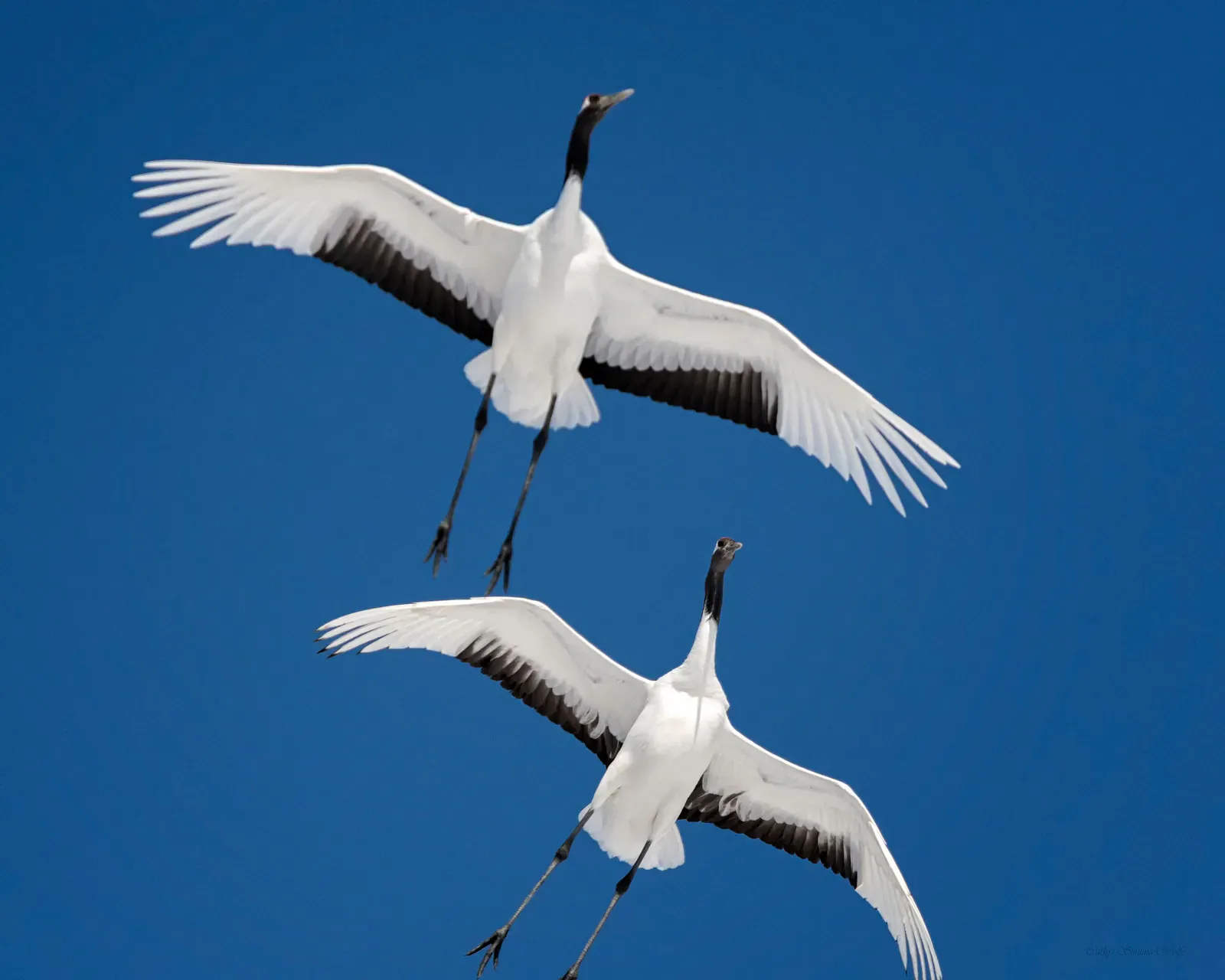
Kushiro Shitsugen National Park is the crane park, and JNTO puts the courtship dance in February and March. The Tsurui-Ito Tancho Sanctuary is run by the Wild Bird Society of Japan, an NGO, and feeds the cranes in winter when food is scarce. A regional tourism listing says its nature centre is open from October to March, with guided talks when open.
Cranes leave the roost as the sun comes up, so a guide-operator tip is to arrive before sunrise. That is advice, not an official rule.
Official viewing rules, fees and hours were not found. The sanctuary’s feeding period and free viewing area are noted on Shiretoko drift ice.
Which brown bear areas publish visitor rules?
Shiretoko and Daisetsuzan both do. The Ministry of the Environment says all of Shiretoko National Park is bear habitat, and its 2026 Daisetsuzan leaflet says conditions of use change with bear sightings, so ask centre staff.
At Shiretoko:
- The Rausu Visitor Centre rents bear spray and boots for a fee. The amount was not found.
- At Five Lakes the Goko Field House bans feeding, litter, cooking or eating, smoking and drones, and you stay on the paths. Guides must be ministry-certified or authorised.
- On the ground-level Five Lakes path a registered guide is required in peak bear season, after a safety lecture. The ministry’s undated page gives 10 May to 31 July, so confirm the dates each year. The elevated boardwalk to Lake Ichiko, the first lake, is open without a guide.
- Call the Goko Field House on 0152-24-3323 or the Kushiro Nature Conservation Office on 0154-32-7500.
Safety Make your presence known, check recent sightings before each hike and do not hike alone. Bear spray is not allowed on aircraft, so buy or rent it after you land.
On the Kumano Kodo Nakahechi route, Asiatic black bears are rare, per the Tanabe City Kumano Tourism Bureau. It reports no bear incidents on the route and says most sightings reported as bears turn out to be monkeys, boar or deer. It still advises walking in a group, staying alert near running water, talking or clapping, finishing before dusk, packing out food waste and keeping earbuds out. National figures and advice by distance are on Bear safety.
What does Yakushima ask of visitors?
Yakushima asks for a voluntary conservation donation, last known at $6 (¥1,000) for a day trip and $13 (¥2,000) for more than one day. The 2026-27 amount is unclear right now. The Yakushima Mountain Environmental Management Council runs the request, which began in 2017, per the Ministry of the Environment and the town page.
You can pay at the tourist information centres in Miyanoura and Anbo, at the airport, at the council office or when you buy an Arakawa Mountain Bus ticket. The money pays for trail and toilet waste, route upkeep and traffic control at Arakawa.
To verify The amounts come from an undated search summary of the town page. Ask at an information centre before you pay.
The Jomon Sugi trail starts at the Arakawa Trail Entrance and is about 20 km round trip, per the ministry’s Yakushima centre. Trekking buses leave from the Yakusugi Museum, and car access to the entrance is restricted from March to November. Long holidays such as Golden Week bring about 800 people a day. Stay on the marked trail, do not rest in vegetation, use the portable toilets and carry waste out.
Shuttle fares and timetable, permits, whether a guide is required, and rules for Yakushima’s macaques and deer were not found.
What are the rules for the Iriomote cat and the Amami rabbit?
Conduct guidance exists for both animals, in a prefecture list, two ministry plans and a tourism database entry. No binding viewing rules were found.
Iriomote cat. The cat is nocturnal and numbers about 100 adults, per JNTO’s national parks guide, and Okinawa Prefecture says the road risk is greatest after sunset. The prefecture’s World Heritage visitor page lists conduct: no speeding, feeding or chasing, no flash or bright light on nocturnal animals, no collecting, no pets or non-native species, and no off-road driving on forest roads, trails, fields or beaches. Sources give the speed limit as 30 and as 40 km/h, so none is stated.
A ministry area plan describes a management standard of 1,200 visitors a day, set by the water supply; whether it works as a cap is not confirmed. Report an injured cat to the Iriomote Wildlife Center hotline.
Amami rabbit. A tourism ministry database entry describes night viewing at Santaro Pass: book online, expect a limit on cars, drive at 10 km/h, use one spotlight per car with dimmed high beams, give way uphill and stay still and silent if you see a rabbit. A ministry rabbit action plan for 2014 to 2024 says viewing rules still need to be created, so read the entry as practice, not law. A Kagoshima Prefecture document, seen through a search summary, says some areas such as the Kinsakubaru forest require a certified eco-tour guide. An official Amami viewing season was not found.
Yanbaru. The roadkill hotspots on Okinawa Island are prefectural roads 70 and 2. Watch for the Okinawa rail at dawn and dusk.
How do you watch serow, fish owls and deer?
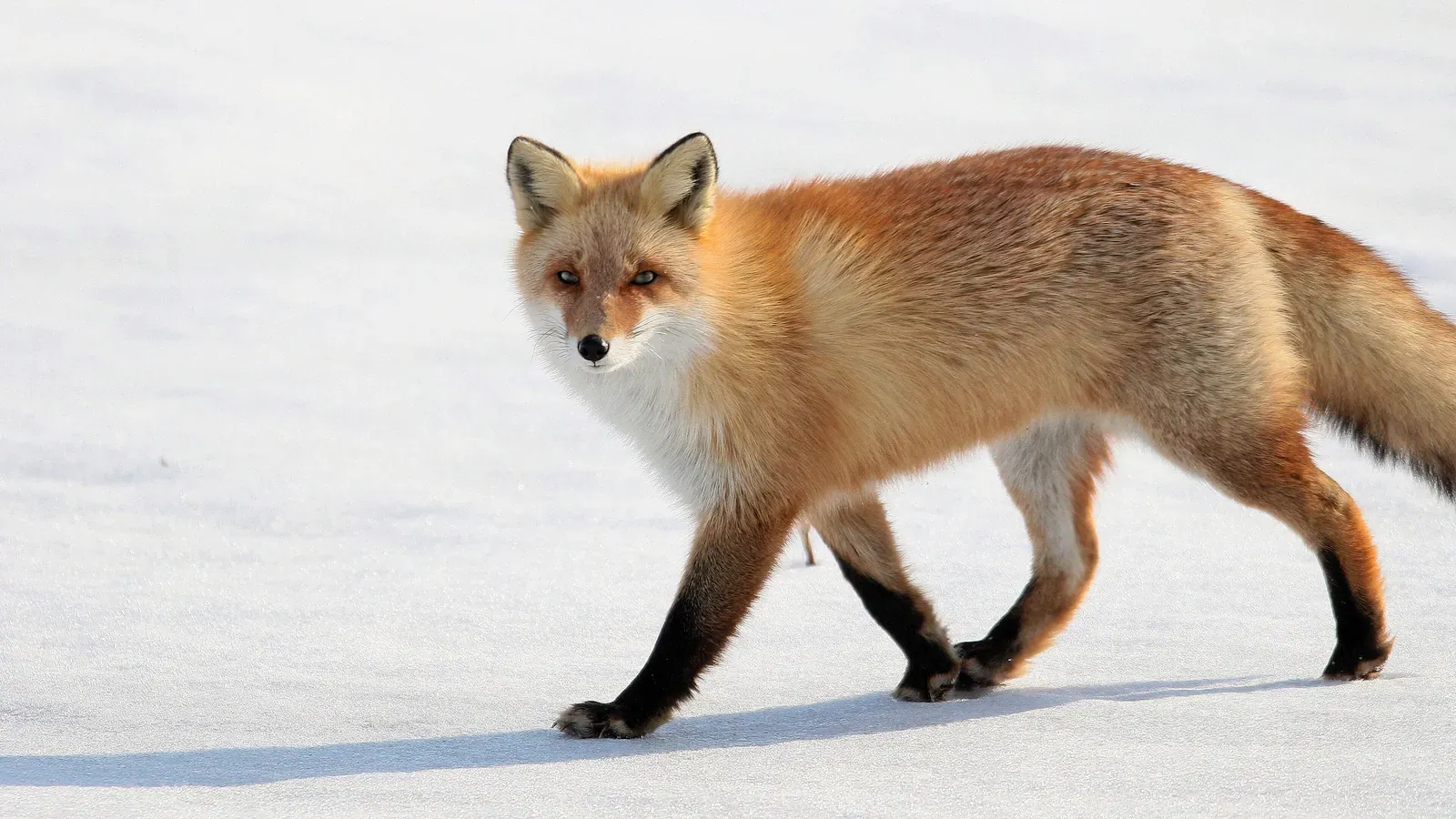
JNTO says the central Nagano mountains are the easiest place to see a Japanese serow. Keep your distance, use zoom, stay on trails and avoid the spring birthing season (April to June) and the autumn rut. A serow is not a sika deer: its horns are short and unbranched.
Blakiston’s fish owl sightings at Rausu are not guaranteed, and the tourism ministry’s database lists no viewing rules for them. Owls appear around sunset in November and around 1 a.m. in the February to March breeding season. Ask at the Michi-no-Eki Rausu desk.
No official rules were found for sika deer in Nara, Miyajima or Shiretoko. One secondary guide says to feed Nara’s deer only shika senbei, about $1 (¥150 to ¥200), not to tease them or tap their antlers, and warns of aggression in the autumn rut.
Is there an official sakura or autumn leaf forecast?
JMA’s English site lists sakura blooming-date forecasts only for 2009, and JNTO’s 2026 forecast page credits the Japan Weather Association, not JMA. The JMA pages show forecasts from 4 March to a last update on 22 April 2009, and a 2008 method note says the forecast covered JMA sample trees with a margin of 2 to 3 days. No later JMA forecast was found, and no page explains why.
For autumn leaves, no official forecast source was found. JMA’s home page lists no such service, and which private companies publish forecasts is unverified. The Daisetsuzan park council posts foliage reports by peak, for example Mt Kurodake.
Where next?
Bear safety gives national figures and advice by distance. Snow monkeys and Shiretoko drift ice cover the winter trips, Trekking in winter lists what stays open and Diving by region covers reef etiquette and Ogasawara dive rules. The Wild and Trek guide covers the full year, and the Wild and Trek hub lists every wildlife and trek page.
Quick answers
How close can you get to the Jigokudani snow monkeys?
Stay at least 1 m away. JNTO's national parks page says not to feed, touch or threaten the monkeys, not to stare, because they read it as aggression, and not to join them in the bath. The park publishes a monkey forecast and a live camera because sightings are not guaranteed.
Is there a fee to hike on Yakushima?
A conservation donation is requested, last known at $6 (¥1,000) for a day trip and $13 (¥2,000) for more than one day. It is voluntary, and the 2026-27 amount is unclear right now, so ask at an information centre before you pay.
Is there an official cherry blossom forecast from JMA?
No recent one. JMA's English site lists blooming-date forecasts only for 2009, and JNTO's 2026 forecast page credits the Japan Weather Association. No official autumn leaf forecast source was found either.
Are there rules for viewing the Iriomote cat or the Amami rabbit?
No binding viewing rules were found. Okinawa Prefecture lists conduct points for Iriomote, including no speeding, feeding or chasing and no flash on nocturnal animals. A ministry plan says Amami rabbit viewing rules still need to be created.