
Destination · Wild and Trek
Shiretoko drift ice: when it's there, and when it isn't
Aim for February. The Shinra ice walk ran 1 Feb to 31 Mar in 2026 for $48 to $52 (¥7,500 to ¥8,000), with hard limits. No page promises ice on a given day.
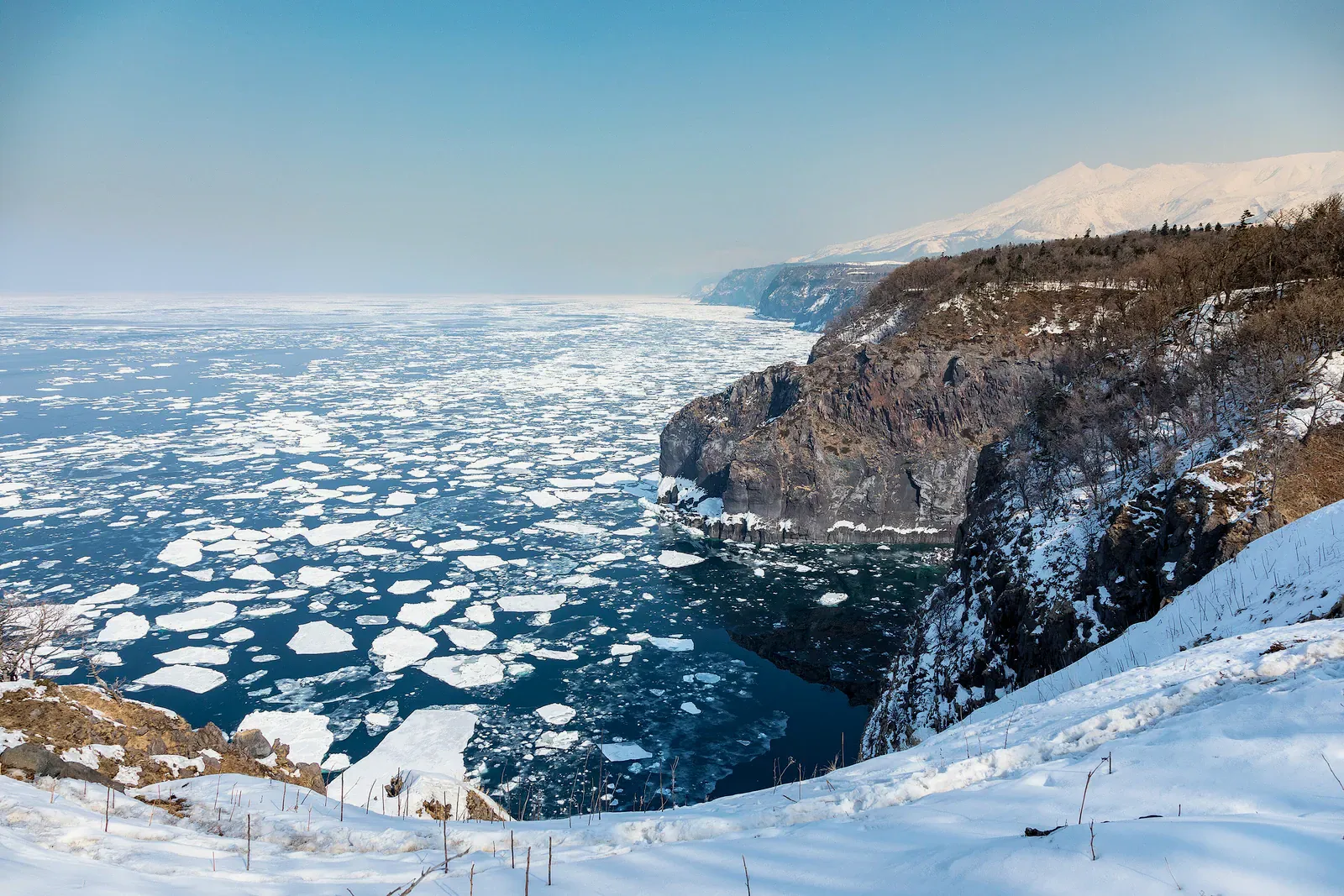
Aim for February: the operator says sea ice typically arrives in late January, and February is the one month the Shinra ice walk in Utoro, the Rausu cruises and the Rausu dives all cover. The walk ran 1 February to 31 March in 2026 and cost $52 (¥8,000) until 10 March and $48 (¥7,500) after, for about 1.5 hours in total in a dry suit. The limits are hard: under 75, 130 to 190 cm tall and under 100 kg. No page promises ice on a given day, and 2027 dates and prices are not published yet.
Best for: February in eastern Hokkaido, as a separate trip from Sapporo and Niseko with its own transfers.
When is the drift ice actually there?
Late January to March, with February the safest bet. The seasons below are what operators sell, not an ice forecast, and Shinra’s page lists 2026 terms only.
| Activity | Where | Season | Price |
|---|---|---|---|
| Ice walk | Utoro (Shinra), dry suit, about 1.5 h | 1 Feb to 31 Mar, 2026 | $52 (¥8,000) to 10 Mar, then $48 (¥7,500) |
| Cruise | Rausu, 1 h or 2.5 h | Feb to early Mar, per one guide | about $28 (¥4,400) for 1 h, about $57 (¥8,800) for 2.5 h |
| Dive | Rausu | Feb to Mar | not sourced |
| Icebreaker | Abashiri cruise | not sourced | sources conflict |
Dollar figures use about ¥155 to US$1 and are rounded; you pay in yen, so check the rate.
When isn’t it there?
Before late January the ice has typically not arrived, and the Shinra walk did not start until 1 February in 2026. It stopped on 31 March.
Sources disagree on the walk. A national tourism listing shows $39 (¥6,000) and a season of December to February and March to May, while Shinra’s own page shows $52 (¥8,000) and 1 February to 31 March. This page follows the operator’s.
Cruises depend on conditions on the day. One listing says Rausu sailings need the ice and the wind to cooperate, so the operator makes the call.
No fallback is sourced for a day without ice. Shinra’s cancellation policy sits on a separate page, so read it before you pay and look for what happens if the walk is called off.
Before you book Read Shinra’s cancellation terms before you pay. Its page promises no ice on any date.
Who can do the Shinra ice walk?
The 2026 page sets four limits:
- Elementary school age or older.
- Under 75 years old.
- 130 to 190 cm tall.
- Under 100 kg.
Booking is online. Height and weight are mandatory fields, and the page points to a pre-booking PDF to read first. A waterproof dry suit is provided, per the listings. The meeting point is Michi-no-Eki Utoro Shiretoko, and the page mentions local transfers. The 2026 start times are 6:30 and 9:30 (to 15 March), 13:00 and 15:30.
Walk, cruise or dive?
Pick by what you can physically do and where you are sleeping.
- Walk (Utoro): you stand on the ice, with the limits above.
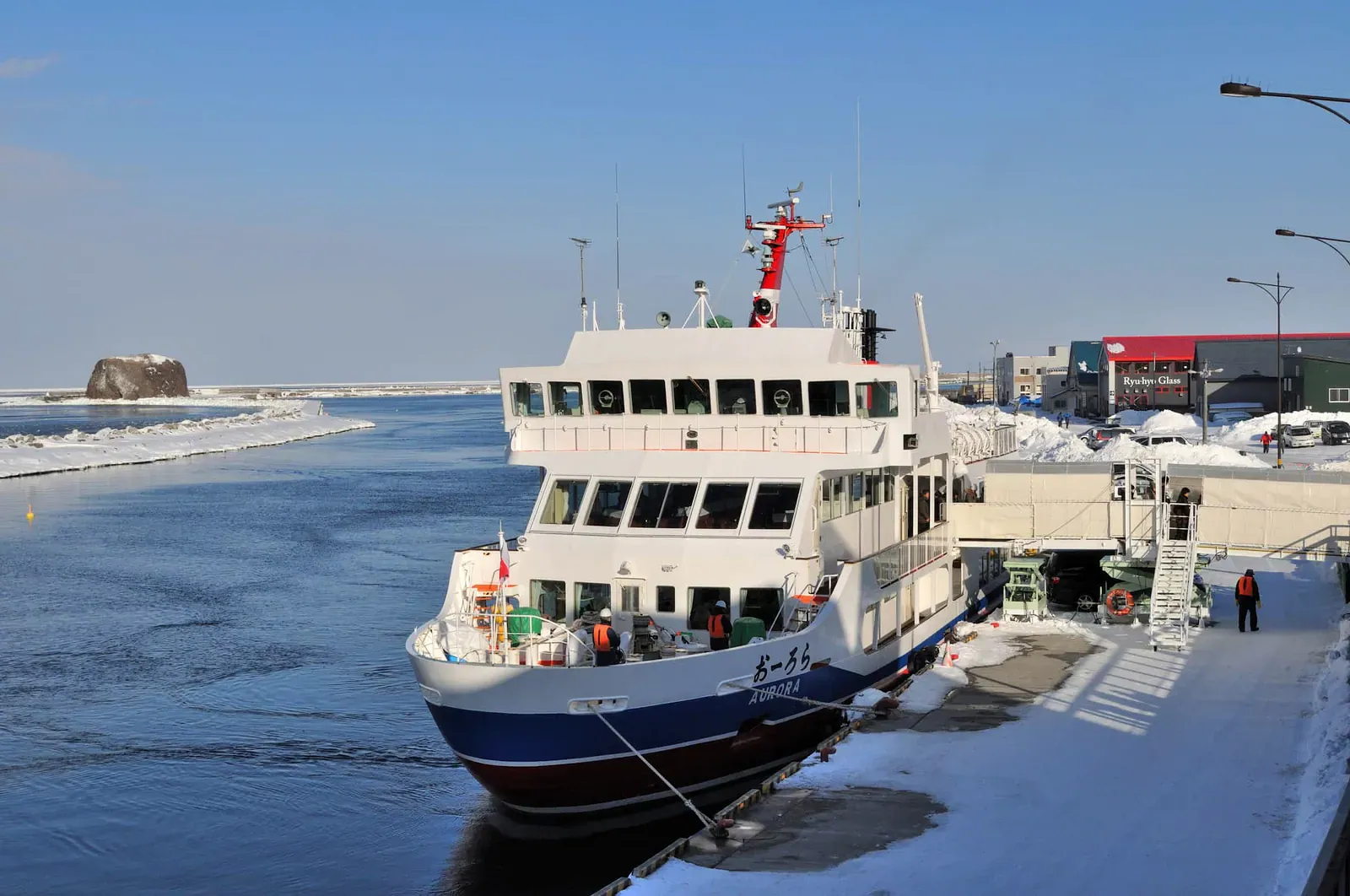
- Cruise (Rausu): you watch from a boat. One guide lists drift ice cruises from February to early March. Listings call them eagle and drift ice trips, but the eagle counts reported run from 420 (a 2022 report) to about 2,000, so do not plan around a number. No operator page or limit for cruises is sourced, so ask the operator.
- Dive (Rausu): a Ministry of Land, Infrastructure, Transport and Tourism (MLIT) multilingual database lists a drift ice dive in February and March. It needs Open Water certification and a dry suit, at about 20 minutes per dive. An airline package listing is stricter: Open Water, 20 logged dry suit dives and a dive in the last 12 months. See Can I dive in Japan without certification?
- Icebreaker (Abashiri): a separate cruise on the Okhotsk coast. Its season is not sourced and its price conflicts, see below.
Abashiri’s icebreaker price is unsettled: the operator’s site, as shown in search results, lists $63 (¥9,800) for adults, cash only, while one guide lists $32 to $39 (¥5,000 to ¥6,000). The Rausu dive entry also differs by language: 24 hours’ notice in English, a month in the Japanese and Korean versions.
How do you get there in winter?
Plan Shiretoko as its own trip. No route, time or fare from Sapporo to Utoro is sourced, and the long Hokkaido transfers are why the Hokkaido plan keeps the Okhotsk coast apart from Niseko. See Hokkaido in winter.
- Shari Station to Utoro: a bus runs all year, about 50 minutes, $11 (¥1,650).
- Memanbetsu to Utoro: a winter-only direct bus is listed, about 2 hours, $21 to $23 (¥3,300 to ¥3,500) one way, from mid-January to March.
- Utoro to Rausu: the Shiretoko Pass road is closed from late November to late April, according to one source (the start date varies by source), so the two towns are not linked by road in winter. Pick a side: Utoro for the walk, Rausu for the cruise and the dive. How to reach Rausu is not sourced.
Cranes are a different stop. The red-crowned cranes are in Kushiro, where the Tsurui-Ito sanctuary feeds them corn from mid to late November to late March, and its viewing area is free. No travel time between Kushiro and Shiretoko is sourced.
Is there a bear risk in winter?
The risk is lower in winter but not zero.
Safety Brown bears hibernate from December to March, per the Environment Ministry, which warns of attacks near dens in east Hokkaido in February. The ice walk season sits inside that window. Never approach a bear for a photo. Back away slowly and do not run or shout. Bear spray cannot be flown, so buy or rent it after you land. Hokkaido bans feeding brown bears.
More winter wildlife and the rules around it are in Wild and Trek.
Quick answers
When is the Shiretoko drift ice walk season?
The Shinra walk ran from 1 February to 31 March in 2026, and the operator says sea ice typically arrives in late January. 2027 dates and prices are not published yet, so check the Shinra page.
Is drift ice guaranteed?
No. No official page promises ice on a given date. Shinra's cancellation policy sits on a separate page, so read it before you pay.
Who cannot do the Shinra ice walk?
On the 2026 page, you must be elementary school age or older, under 75, between 130 and 190 cm tall and under 100 kg. Booking asks for your height and weight and both are mandatory.
How do I reach Utoro without a car in winter?
A year-round bus runs from Shari Station to Utoro in about 50 minutes for $11 (¥1,650), per one source. A winter-only direct bus from Memanbetsu is listed at about 2 hours, mid-January to March. Check both timetables.