


Guide · Anime and manga
Anime pilgrimage in Japan: how to visit without annoying residents
Stay on public ground, keep quiet near homes, ask before photos. Kamakura has a guard, police and no reported fine. Most other spots publish no rules.
Stay on public ground, keep your voice down near homes, and ask before photographing a person or entering a building. Most anime locations publish no visitor rules, so the habits below come from local measures and secondary guides, not an official list. Hida city’s Hyouka page is the exception. The one spot with measures you can see on the day is the crossing at Kamakurakokomae station: a guard from 10:00 to 18:00, police and a camera. No fine is reported there.
Seichijunrei, anime pilgrimage, means visiting the real places an anime shows. This page covers six named spots. It sits in Anime and manga, and the shrine habits pair with Shrine and temple etiquette in Culture.
What is in place at the Slam Dunk crossing in Kamakura?
The crossing at Kamakurakokomae station on the Enoden line is the best documented spot. It all comes from news coverage, mostly from 2023 to 2025, and no Kamakura city notice confirms it.
- A security guard stands there daily from 10:00 to 18:00. Weekends since 2017, weekdays since autumn 2023.
- A police box and patrols.
- A 24 hour surveillance camera, with signs in Japanese, English, Chinese and Korean.
- A designated photo area was reportedly trialled in a nearby park.
- A nearby public toilet was reported closed at the end of April 2025, and a hospital stopped letting tourists use its toilets.
The reports describe guards and warnings, and no fine. If a guard or officer asks you to move, move. If a photo area is running, use it; whether the trial continues is unconfirmed. Plan a toilet stop before you arrive, not at the crossing. Check the Kamakura city website for the current rules, because no 2026 notice was found.
What do guides ask at Hida-Furukawa?
Hida-Furukawa is the Your Name spot. The route runs through JR Furukawa station (platform 1, the waiting room and the roundabout outside) and Kida Wakamiya Shrine, about 15 minutes on foot. The station has an official Your Name Pilgrimage Info Center with stamps, ema (votive plaques) and route maps.
Secondary guides ask for the same few things:
- Lower your voice at the shrine.
- Leave standees and props at home.
- Do not photograph from the track side of the platform.
- Stay off private land and crops.
- Ask at the desk before taking photos in Hida City Library (one guide).
No official visitor rules are published for these. The Hida Tourism Association is the contact the guides name.
What about Takayama, Suga Shrine, Washinomiya and Hita?
| Spot | Place and access | What it says |
|---|---|---|
| Takayama | Gifu, the setting of Hyouka | Hida city's page maps the spots and asks visitors not to enter school grounds. Photographing students is prohibited. A free Japanese map is at the Takayama station tourist office. |
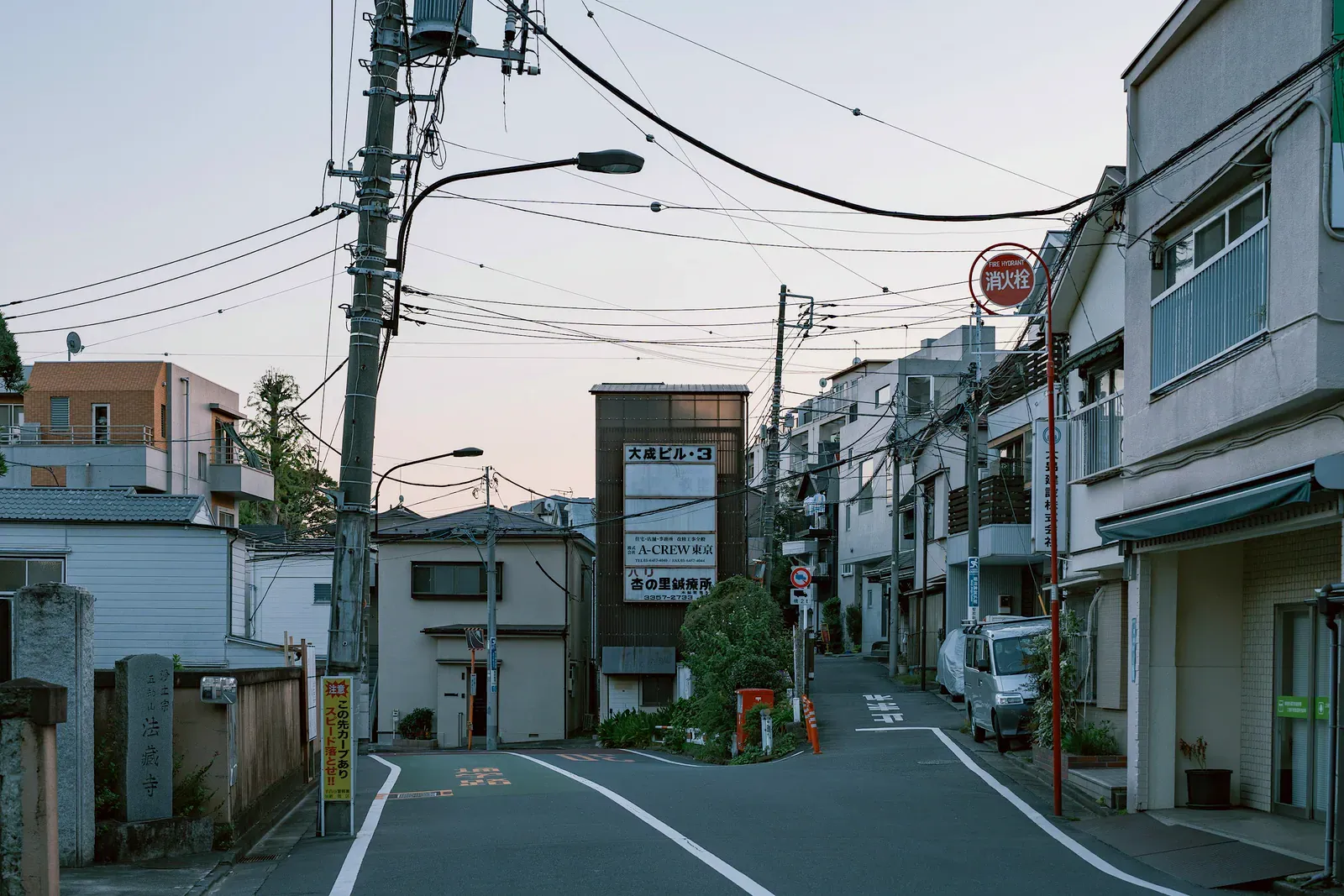
| Suga Shrine | Yotsuya, Tokyo (Your Name), on foot | Narrow residential street. Keep your voice down, step aside for residents, go early. Ema are sold at the shrine. |
| Washinomiya | Washinomiya Shrine, Kuki, Saitama (Lucky Star); Tobu Isesaki Line, Washinomiya station | Anime ema are on sale and hung there. No official visitor rules found. Free parking for about 50 cars, limited at festivals. New Year is the peak: a police estimate put the first three days of 2009 at 420,000 visitors. |
| Hita | Oita (Attack on Titan); bus from Hita terminal to Nakagawara (25 minutes), then 20 minutes on foot to Oyama Dam. A statue stands at JR Hita station | Statues of the main characters at the foot of the dam. A free museum in town. No visitor rules found. |
At Suga, Washinomiya and Hida the shrines or the station centre sell ema, so there is a way to leave a mark that is not a standee.
Can you reach these spots without a car?
Mostly yes. Kamakurakokomae is an Enoden station and Furukawa is a JR station, with the shrine 15 minutes on foot. Washinomiya is on the Tobu Isesaki Line, and Hita has a station statue. The Hita dam statues are the exception: they need a 25 minute bus and a 20 minute walk. Washinomiya’s free car park holds about 50 cars, so the train is the safer plan on festival days.
Can a manga museum be part of the route?
Yes, and museums are the easy case, because they write their rules down. The Kyoto International Manga Museum allows no flash and no commercial shooting, no eating inside (the grounds are fine), and no drinks in containers that cannot be resealed, and it is smoke-free. It warns that exhibits and people in your photos may raise copyright or portrait issues if you publish them, and special shows can differ. Hours, closed days and prices for it and three other museums are in Manga museums in Japan.
How do you find the spots?
Start with the Anime Tourism Association 88, a fan-voted official project. Community-made maps also exist. One guide suggests saving pins in your own map and grouping them by neighbourhood, so you visit a street once, not three times. Then read the town’s tourism page for each spot before you go.
Before you go At places that publish no rules, assume someone lives there.
To verify Kamakura measures come from news coverage, and advice for Hida-Furukawa, Suga Shrine and Washinomiya comes from secondary guides. None has an official visitor rule.
Quick answers
Is there a fine at the Slam Dunk crossing in Kamakura?
No fine is reported. News coverage describes a guard from 10:00 to 18:00 daily, police patrols and a camera with signs in four languages. No 2026 city notice was found, so check the Kamakura city website before you go.
Can I photograph from the platform at Hida-Furukawa?
Guides say not from the track side of the platform. They also ask you to stay off private land and crops, and to ask at the desk before taking photos in Hida City Library. No official rules are published, so treat these as secondary guidance.
Can I leave a standee or props at an anime shrine?
One guide to Hida-Furukawa says no standees or props at the shrine. Ema, the votive plaques, are on sale at Suga Shrine, Washinomiya Shrine and the information centre in Furukawa station, so there is a way to leave a mark that is not a prop.
How do I find anime locations to visit?
Start with the Anime Tourism Association 88 project, a fan-voted official list, then use community-made maps. One guide suggests saving the pins in your own map and grouping them by neighbourhood.