Guide · Food
Sapporo crab hotpot: what to order and when to book
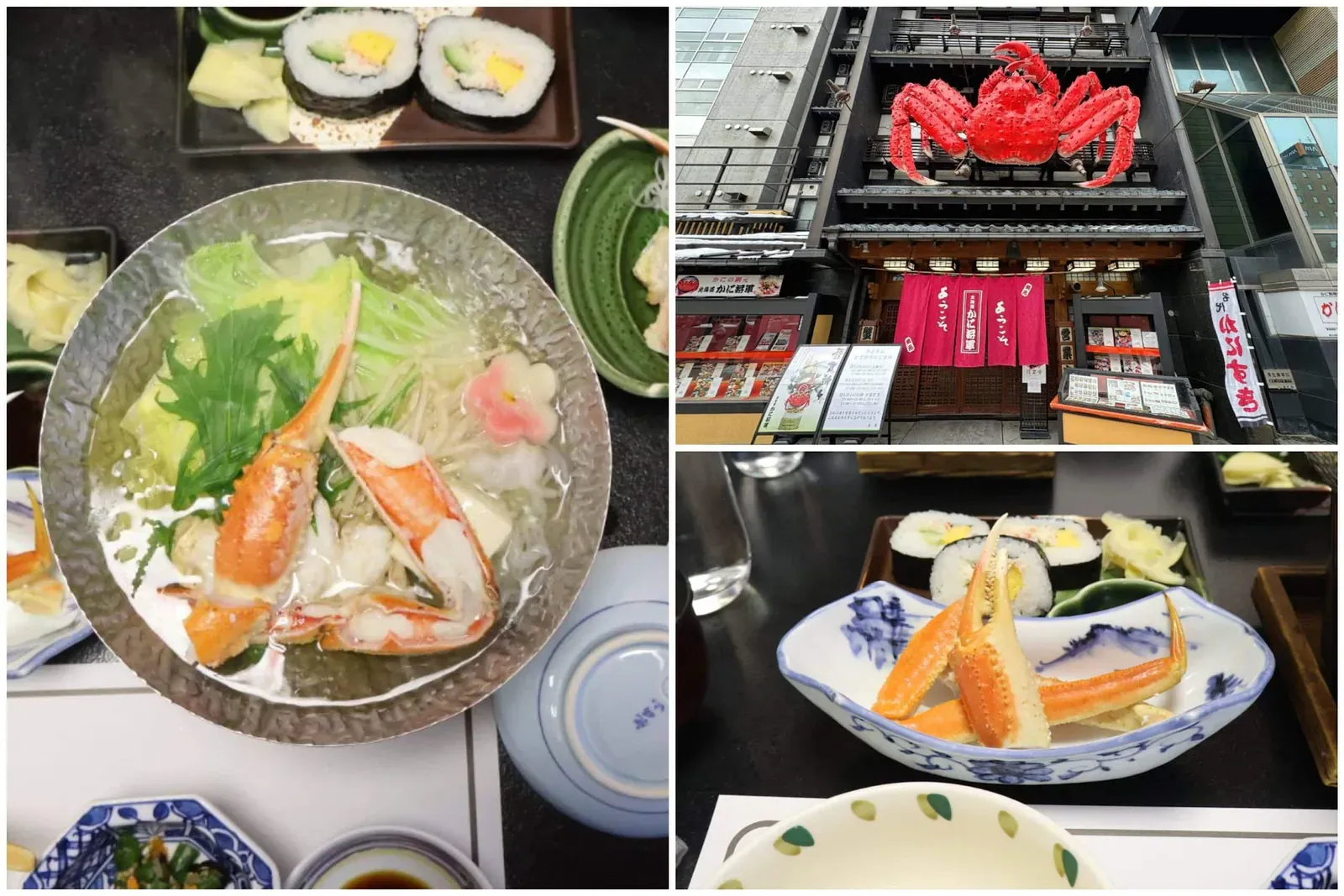
Pick the crab and the course, not the dish name. Listings run from about $19 (¥3,000) at lunch to about $52 (¥8,000) at dinner.
Choose a Sapporo crab hotpot by the crab and the course on it, not by the dish name. Listings run from about $19 (¥3,000) at lunch to about $52 (¥8,000) at dinner, and one reviewer says to book months ahead. Guides disagree on crab season and none cites an official Hokkaido source, so choose by the crab on the menu.
Best for: a winter dinner in Susukino, or a food night built around the Sapporo Snow Festival.
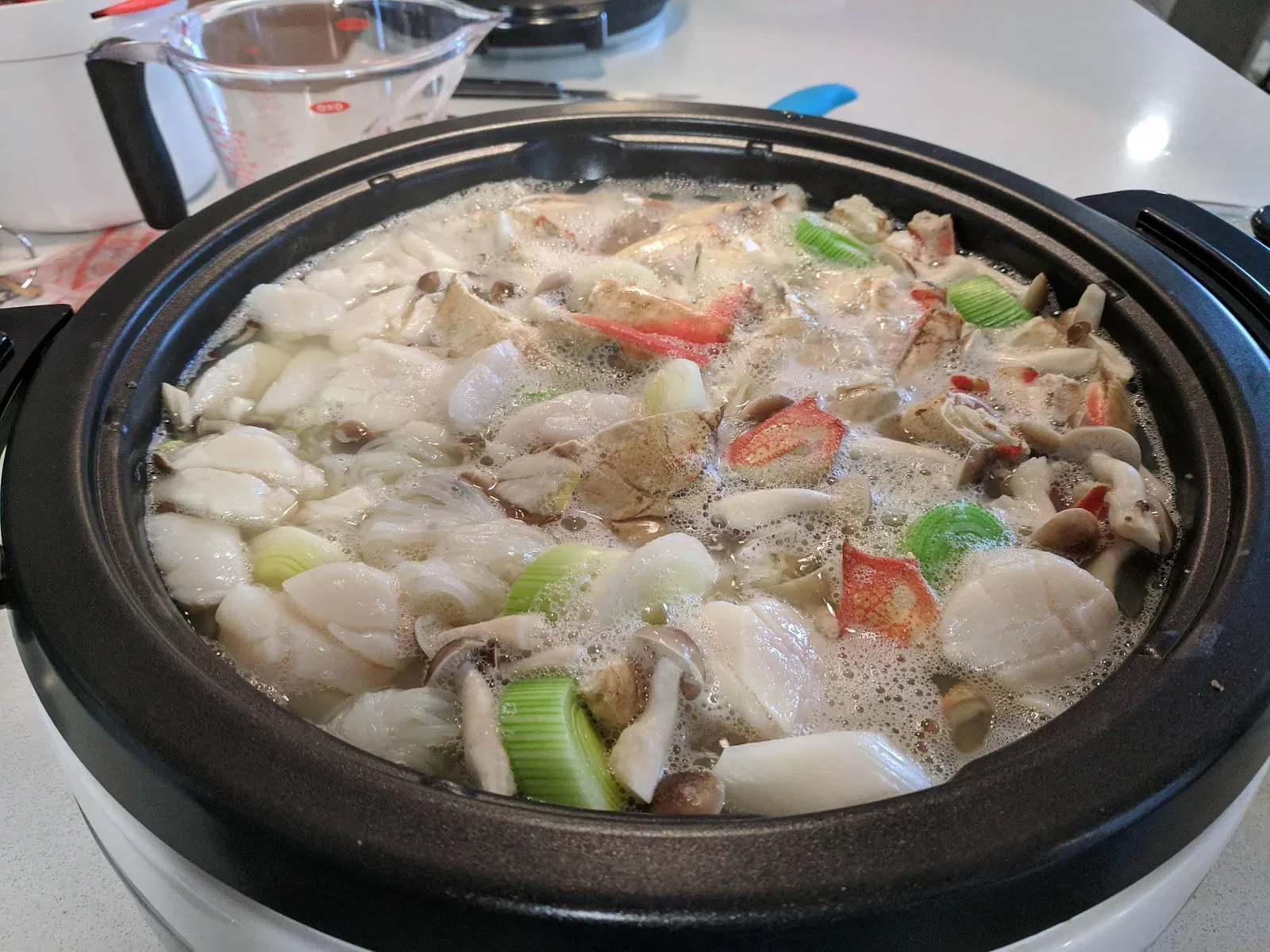
What is the difference between kanishabu and kanisuki?
Both are crab hotpots, and by name they point at the cooking style. Kanishabu borrows from shabu-shabu, where thin slices are swished in light broth. Kanisuki appears in secondary guides as its own crab hotpot, and its name echoes sukiyaki. No source defines the two or says how Sapporo restaurants use them.
So ask three things before you book: which crab is in the pot, what the course includes, and whether the price is per person.
Which crab will you get?
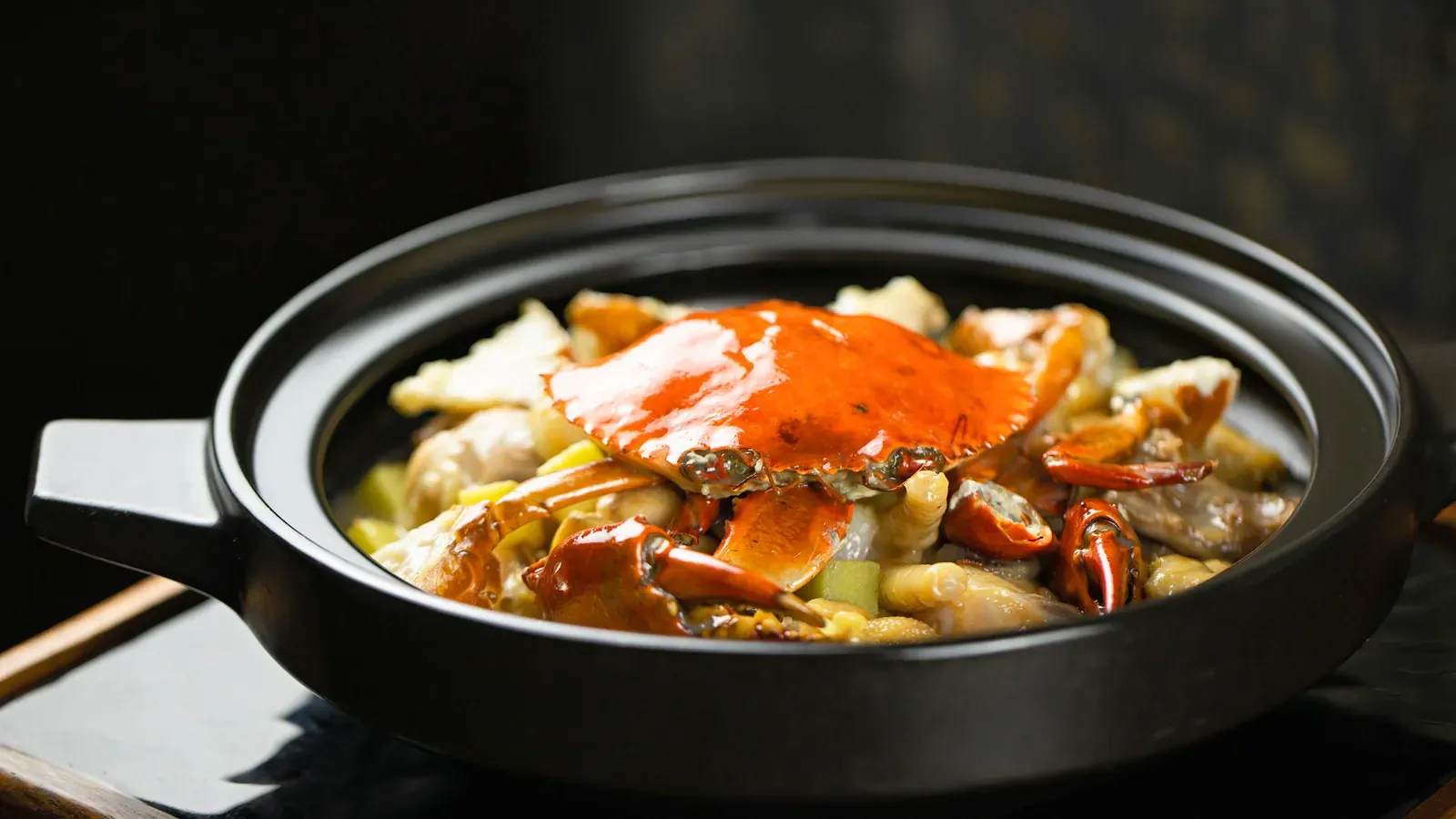
Hokkaido guides name three kinds: king crab (tarabagani), snow crab (zuwaigani) and hairy crab (kegani). One seafood calendar says snow crab is smaller and cheaper than king crab and common on everyday menus. A menu that names the species is easier to compare than one that says only “crab”.
When is crab season in Sapporo?
Three guides give three calendars, and none cites an official Hokkaido or fisheries source. One lands king crab from January to May and again from September to October, with snow crab from about March to May. A second puts king and snow crab from November to February and adds hairy crab from March to May. A third names only snow crab, from November to March.
So this page gives no single season. Ask the restaurant which crab it is serving in your week, and book the table for the night you can actually be there.
How much does a crab hotpot cost in Sapporo?
Listings show about $19 (¥3,000) at lunch and about $52 (¥8,000) at dinner at one restaurant, and up to about $77 (¥12,000) at a buffet.
| Listing | Listed price |
|---|---|
| Susukino dinner | about $52 (¥8,000), one crab restaurant |
| Susukino lunch | about $19 (¥3,000), the same restaurant |
| Second restaurant | about $45 to $52 (¥7,000 to ¥8,000), crab course |
| Crab buffet | about $57 to $77 (¥8,800 to ¥12,000) |
Dollar figures use about ¥155 to US$1 and are rounded; you pay in yen, so check the rate.
These come from restaurant listings and a travel guide, not the restaurants’ own pages. Lunch costs a little over a third of dinner at the first restaurant, so check what the lunch includes. The listing shows it open 11:00 to 15:00 and 17:00 to 22:00. Prices change, the listings do not all say whether the figure is per person, and none says which crab it covers. Treat the table as a budgeting range and confirm on the booking page.
How early should you book?
Early. One reviewer says to book Sapporo crab restaurants months ahead. No restaurant states its own lead time, so take it as one reviewer’s advice. The Snow Festival runs 4 to 11 February 2027 and Susukino is one of its three sites, so if you are going, book the table as soon as your dates are fixed.
If a restaurant takes bookings through a restaurant-booking site’s English service, its help pages say:
- A credit card is required. It covers a system fee and any cancel or no-show fee, and you pay for the meal at the restaurant.
- The system fee is $3 (¥440) per person, charged at confirmation. It is not refunded if you cancel, and it is charged again if you rebook.
- Each restaurant sets its own cancel and no-show fee. It appears in the confirmation email and is charged to the booking card.
- Changes beyond date, time and party size go through the restaurant, not the site.
For courses, a 2018 report from Japan’s trade ministry (METI), as covered by Japanese news sites, suggested charging the full course price for a no-show, and 50% to 70% of average spend for a seat-only booking. It has no legal force, and restaurants set their own terms.
What if you do not want crab, or cannot eat it?
Tell a restaurant about a shellfish allergy when you book, not at the table. Crab is one of the mandatory allergen items on packaged-food labels, alongside shrimp and prawn, walnuts, wheat, buckwheat, egg, milk and peanuts. The Tokyo Metropolitan Government page lists eight, and reports say cashew is being added. The rule covers packaged food; what restaurants must disclose is not verified. No shellfish-free or vegetarian crab menu is sourced.
Hokkaido has other pots and plates:
- Ishikari nabe: Hokkaido’s own hotpot, salmon in a miso broth built on kombu. It contains fish, so it does not help with a fish allergy.
- Jingisukan: grilled lamb, brought to Hokkaido in the 1930s through a government push for wool and lamb, according to two food history sites.
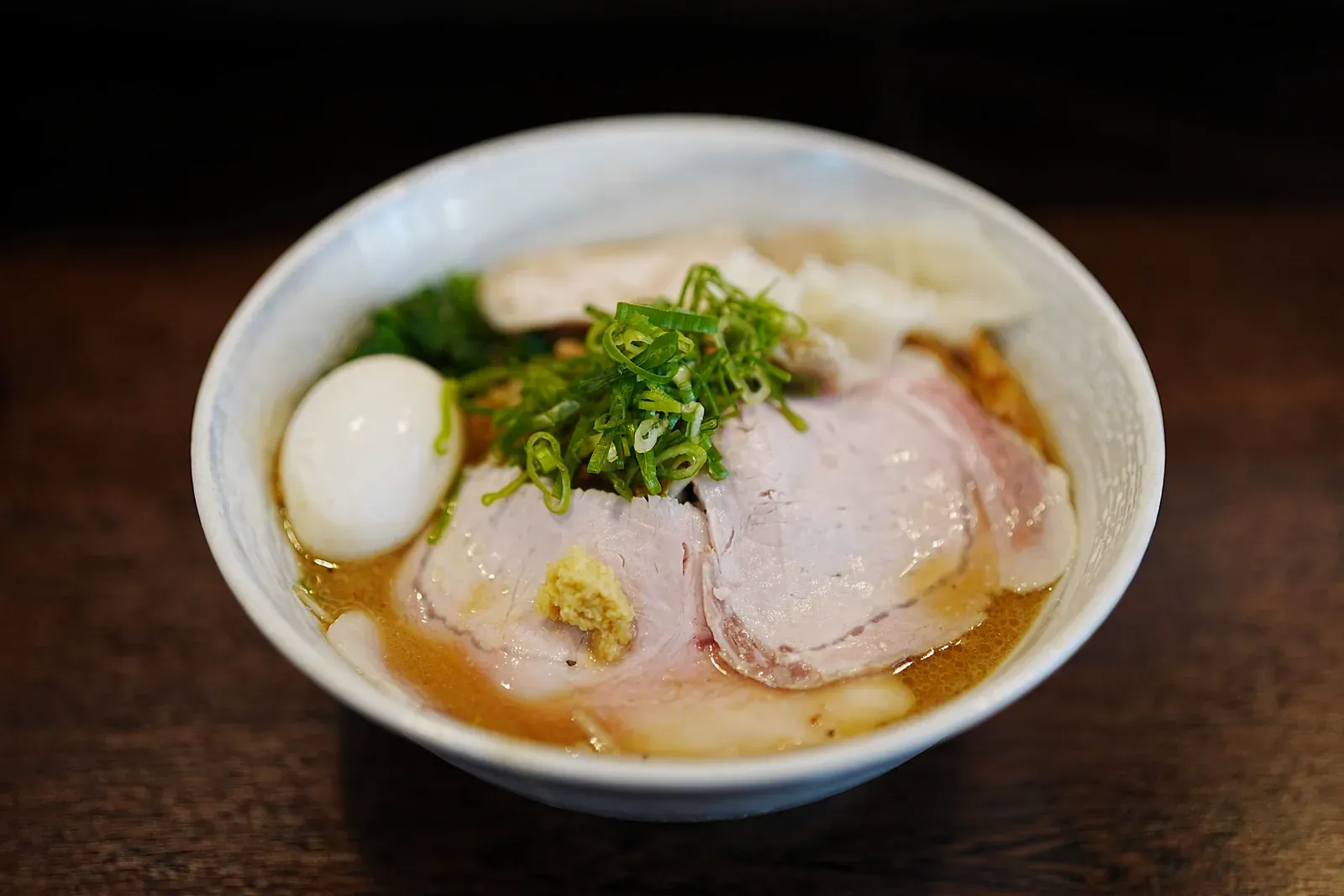
- Ganso Ramen Yokocho: a ramen alley in Susukino, open roughly 11:00 to 03:00. Hours vary by shop and some stalls close in the afternoon.
The Hokkaido winter plan, with getting to Sapporo, is in Hokkaido in winter. More Japanese food is in the Food hub.
Questions
It depends on the crab: three guides give three different calendars, and none cites an official Hokkaido source. Ask the restaurant which crab it is serving in your week.
Listings show about $19 (¥3,000) for lunch and about $52 (¥8,000) for dinner at one Susukino restaurant, and about $57 to $77 (¥8,800 to ¥12,000) for a buffet. These are estimates from listings, so check the booking page.
Both are crab hotpots. Kanishabu is named after shabu-shabu, where thin slices are swished in broth, and kanisuki is listed separately in guides. No source defines the difference, so ask what the course includes.
Yes, book as soon as your dates are fixed. One reviewer says to book months ahead, and no restaurant states its own lead time. Read the cancellation terms.