Guide · Culture
Ainu history and Hokkaido: from Ezochi to Upopoy
Hokkaido's name dates from 1869. Read the laws of 1997, 2008 and 2019, then see Upopoy in Shiraoi: $8 (¥1,200), closed Mondays.
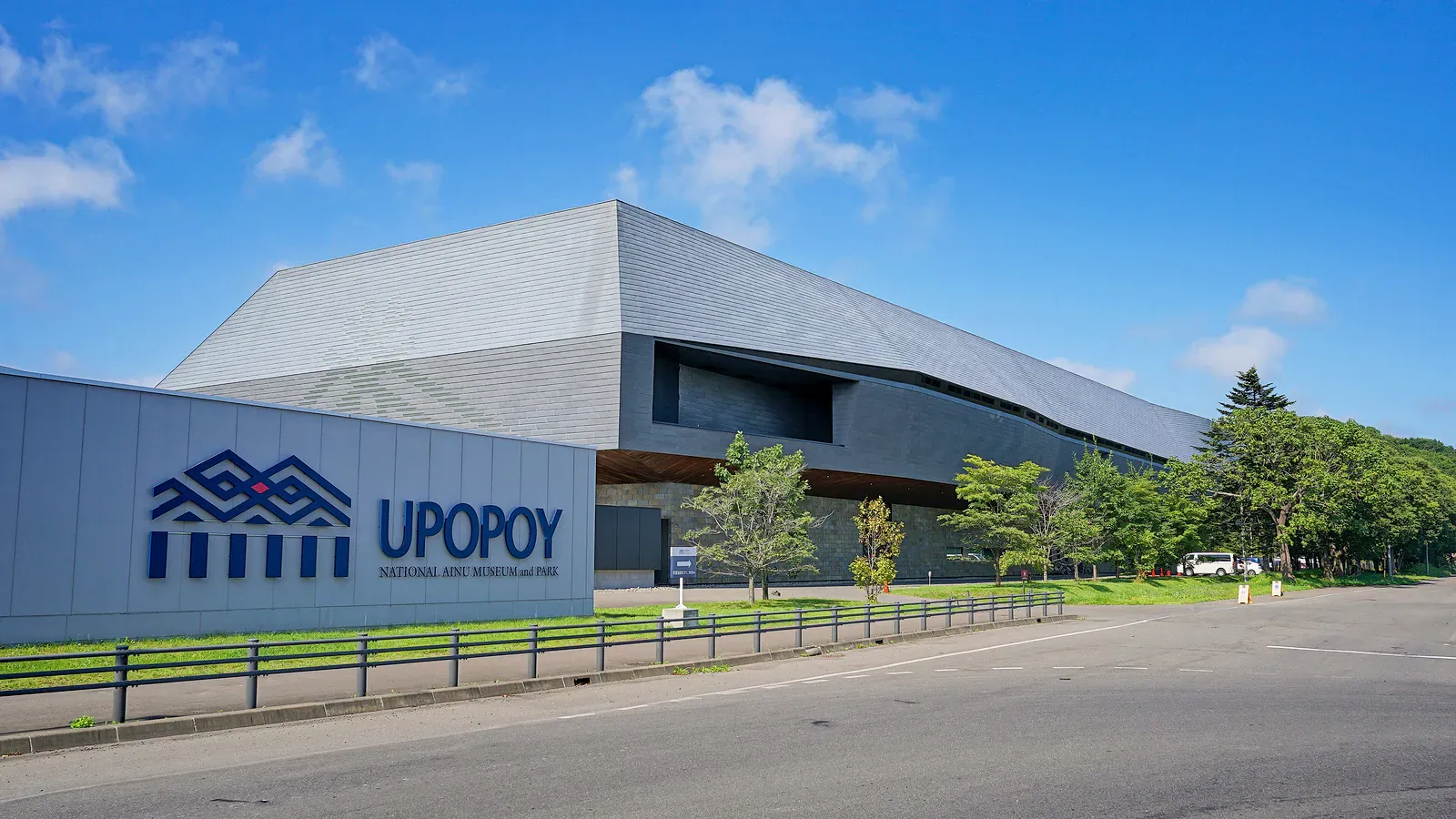
Hokkaido has carried its present name only since 1869, and Japan’s Diet recognised the Ainu as an indigenous people on 6 June 2008. The national museum for that history is Upopoy, the National Ainu Museum and Park in Shiraoi, where an adult ticket is $8 (¥1,200) and the park is closed on Mondays.
The page sits in the Culture hub beside the history guide, and the island itself is covered in Hokkaido. The Ryukyu Kingdom, which became Okinawa Prefecture, has its own page: Ryukyu history and Okinawa.
Which words does this page use?
This page says “Ainu people” and “Ainu culture”, as the Ainu Association of Hokkaido does, and “indigenous people”, as Japan’s 2019 Act does. “Ainu” is both noun and adjective and takes no plural s. The word means human or people, per the Upopoy site.
What happened, and when?
Six dates mark the story, from the renaming of the island to the 2019 Act.
| Year | What happened |
|---|---|
| 1869 | The island, called Ezochi until then, is renamed Hokkaido, and a Development Commission is set up |
| 1899 | The Hokkaido Former Aborigines Protection Act is passed |
| 1946 | The Ainu Association of Hokkaido is founded |
| 1997 | The Ainu Culture Promotion Act repeals the 1899 act |
| 6 June 2008 | Both houses of the Diet resolve unanimously to recognise the Ainu as an indigenous people |
| 24 May 2019 | The Act on Promoting Measures to Achieve a Society in which the Pride of Ainu People is Respected comes into force |
Why is Hokkaido a Meiji-era name?
Because the island was called Ezochi until 1869. That year the Meiji government set up the Kaitakushi, or Development Commission, and the name Hokkaido, per the Hokkaido Government archives. The National Diet Library’s portrait page on Matsuura Takeshiro says he proposed names for the island, and the government chose the final characters. Accounts differ on who settled the name and on whether part of it comes from an Ainu word.
The name is recent, but contact is older. In the Edo period the Matsumae domain handled relations and trade with the Ainu. An academic feature on early-modern foreign relations counts Matsumae as one of four contact points, with Nagasaki, Tsushima and Satsuma.
What did the laws say?
Four legal steps frame the modern record: the acts of 1899, 1997 and 2019 and the Diet resolution of 2008.
The 1899 Hokkaido Former Aborigines Protection Act framed policy around assimilation, per summaries of the law, which also mention land allotments. Its title uses the word “former”. The Ainu Association of Hokkaido was founded in 1946, per a research summary. The 1997 Ainu Culture Promotion Act repealed the 1899 act.
On 6 June 2008 both houses of the Diet resolved unanimously to recognise the Ainu as an indigenous people with their own language, religion and culture. They asked the government to refer to the United Nations Declaration on the Rights of Indigenous Peoples. Summaries say the resolution refers to discrimination and poverty. Commentators note that no formal apology followed, and some Ainu see the step as symbolic.
The 2019 Act is listed as Act No. 16 of 2019 in the Ministry of Justice’s Japanese Law Translation database. It passed on 19 April, was promulgated on 26 April and took effect on 24 May 2019. It replaces the 1997 act, bans discrimination and sets up an Ainu Policy Promotion Headquarters headed by the Chief Cabinet Secretary. Its title uses the phrase “the Pride of Ainu People”. Some commentators note that the Act does not state a right of self-determination. A five-year review fell due in 2024, and its outcome was not found.
Where do Ainu words show on the map?
Many Hokkaido place names derive from Ainu. Sapporo comes from sat-poro-pet, roughly “dry, great river”, per the Hokkaido Museum’s exhibition page. Upopoy, the name of the national museum and park, means “singing together in a large group”, per the Upopoy site and the Government of Japan.
What can you see today?
One place carries the story for visitors: Upopoy, in Shiraoi. Its ticket includes the museum, and its site says the park has a memorial site for Ainu ancestral remains. Treat that area as a memorial and keep voices low.
| Place | City | What you see | Fee | Hours |
|---|---|---|---|---|
| Upopoy | Shiraoi | National Ainu Museum and Park, museum included in the ticket | Adult $8 (¥1,200) | 09:00 to 17:00 from 1 November 2026 to 31 March 2027; closed Mondays |
Dollar figures use about ¥155 to US$1 and are rounded; you pay in yen, so check the rate.
When a Monday is a holiday, Upopoy is closed on the next weekday. Last known (2026): 09:00 to 18:00 from 1 April to 31 October. Hours for 2027 are not found.
| Ticket | Adult | High school |
|---|---|---|
| Standard | $8 (¥1,200) | $4 (¥600) |
| Online | $6 (¥1,000) | $3 (¥400) |
| After 14:00 | $4 (¥600) | $2 (¥300) |
Groups of 10 or more pay $6 (¥960) per adult, and an adult annual pass is $13 (¥2,000). Junior high students and under enter free, as does a visitor with a disability plus one carer. A special exhibit may cost extra. Access to Shiraoi is not found.
Where next?
- Edo covers the four contact points, and Meiji covers the years of the 1869 renaming.
- The Culture hub holds every culture topic.
Questions
Human or people, per the Upopoy site. This guide says "Ainu people" and "Ainu culture", as the Ainu Association of Hokkaido does, and "indigenous people", as Japan's 2019 Act does.
On 6 June 2008, when both houses of the Diet unanimously resolved to recognise the Ainu as an indigenous people with their own language, religion and culture. A 2019 Act, in force from 24 May 2019, bans discrimination and replaces the 1997 Ainu Culture Promotion Act.
The island was called Ezochi until 1869. That year the Meiji government set up a Development Commission and the name Hokkaido. Sources differ on who settled the final name and on whether part of it comes from an Ainu word.
An adult ticket is $8 (¥1,200), $6 (¥1,000) online and $4 (¥600) after 14:00. High school students pay $4 (¥600), and junior high students and under are free. The ticket includes the museum, and special exhibits may cost extra.
Yes. It is open 09:00 to 17:00 from 1 November 2026 to 31 March 2027. It is closed on Mondays, from 28 December to 4 January and from 27 February to 8 March 2027. The official English page states no last entry time.